Finding the Perfect Temperature
Few spirits have undergone a transformation quite like tequila.
Once associated almost exclusively with salt, lime, and quick shots, premium tequila has earned its place alongside the world’s finest whiskeys, cognacs, and rums. Today, enthusiasts appreciate tequila for its complexity, craftsmanship, and the remarkable diversity of flavors that begin in the agave fields of Mexico.
Yet even the finest tequila can be diminished by one simple mistake: serving it at the wrong temperature.
Temperature influences nearly everything we experience when we take a sip of tequila. It affects aroma, texture, sweetness, spice, alcohol perception, and the subtle flavors developed during fermentation, distillation, and aging.
Whether you’re enjoying a crisp Blanco, a balanced Reposado, or a richly aged Añejo, understanding the ideal serving temperature allows you to experience the spirit exactly as its makers intended.
The best tequila isn’t simply about what’s inside the bottle, it’s also about how it’s served.
Why Temperature Changes the Way Tequila Tastes
Our sense of taste is closely connected to our sense of smell.
Many of tequila’s most recognizable aromas; fresh agave, citrus, herbs, vanilla, caramel, pepper, and oak are carried by volatile aromatic compounds. These compounds become more active as the spirit warms slightly, allowing more of its character to reach your nose before you even take a sip.
Serve tequila too cold, and many of those aromas become muted.
Serve it too warm, and the alcohol may become more dominant, masking the delicate balance that defines a premium tequila.
Finding the right serving temperature is about creating harmony between aroma, flavor, and mouthfeel.

The Ideal Temperature for Premium Tequila
For most premium tequilas, the ideal serving temperature falls between 60°F and 65°F (16°C to 18°C).
This range is slightly cooler than typical indoor room temperature but significantly warmer than refrigerator temperature.
At this temperature, tequila reveals:
- Bright agave aromas
- Floral and citrus notes
- Natural sweetness
- Balanced alcohol
- Fuller texture
- A longer, more expressive finish
Many professional tastings and spirits competitions evaluate tequila within this range because it allows judges to fully assess the spirit’s complexity.

Should You Chill Tequila?
The answer depends on the type of tequila and how you plan to enjoy it.
For premium sipping tequila, heavy chilling is generally not recommended.
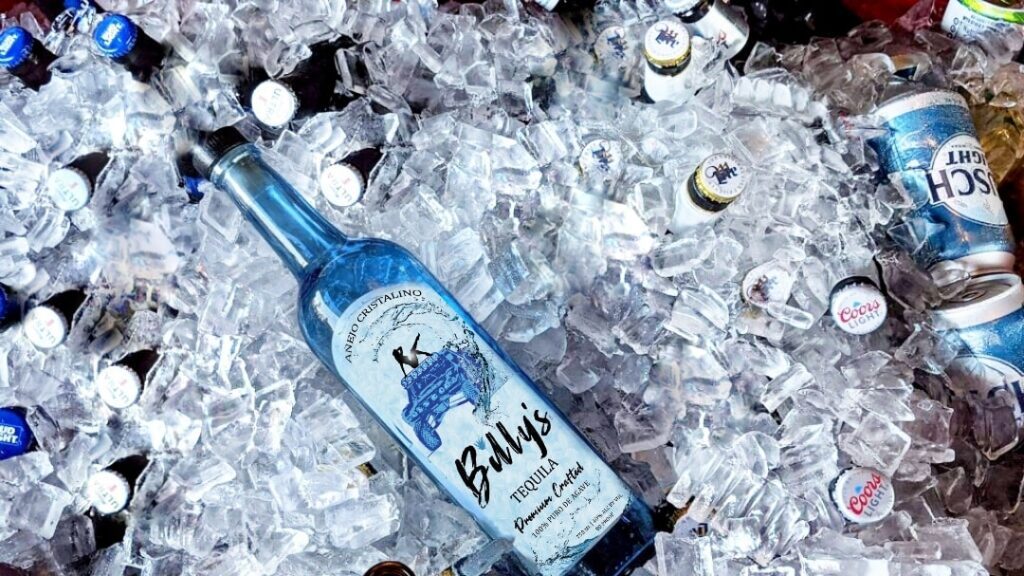
Cold temperatures suppress aroma, which means you’ll notice fewer of the flavors that distinguish one tequila from another.
Imagine trying to appreciate a fine wine directly from the refrigerator or drinking an aged whiskey over crushed ice. Much of the nuance disappears.
If you’ve invested in a well-crafted tequila, serving it too cold can hide many of the characteristics that make it exceptional.
When Chilling Makes Sense
That doesn’t mean chilled tequila is always the wrong choice.
Serving temperature should also reflect the occasion.
A lightly chilled Blanco can be refreshing on a warm afternoon, particularly when enjoyed in cocktails or simple highballs.
Similarly, a chilled tequila may appeal to newcomers who find alcohol intensity overwhelming.
There’s nothing inherently incorrect about chilling tequila if that’s how you enjoy it.
The key is understanding what you’re gaining—and what you’re giving up.
Blanco Tequila: Let the Agave Shine
Blanco tequila showcases the purest expression of Blue Weber agave.
Fresh citrus, pepper, herbs, minerality, and cooked agave all become more pronounced when served just below room temperature.
Serving a Blanco directly from the freezer often suppresses these vibrant characteristics, leaving the spirit tasting flatter and less expressive.
If you’re sipping a premium Blanco neat, aim for approximately 60°F to 65°F.
Reposado Tequila: Finding Balance
Reposado spends at least two months aging in oak barrels, creating an elegant balance between fresh agave and subtle barrel influence.
Serving Reposado slightly cool allows both elements to remain in harmony.
Too cold, and the oak becomes subdued.
Too warm, and the alcohol may overshadow the gentle vanilla and caramel developed during aging.
This style often reaches its sweet spot around 62°F (17°C).
Añejo and Extra Añejo: Treat Them Like Fine Whiskey
Long-aged tequilas deserve patience. Añejo and Extra Añejo develop layers of flavor through years spent interacting with oak barrels.
- Vanilla
- Caramel
- Baking spices
- Dried fruit
- Chocolate
- Roasted nuts
These complex aromas emerge most naturally when served close to cellar temperature rather than refrigerator temperature.
Many enthusiasts enjoy aged tequila in the same manner they would an exceptional single malt whisky—neat, in a proper tasting glass, and allowed to breathe for several minutes before the first sip.
Should You Store Tequila in the Refrigerator?
Generally, no.
Unlike wine, tequila does not continue aging once bottled.
A cool, dark cabinet away from direct sunlight provides ideal long-term storage.
Refrigeration won’t necessarily damage tequila, but repeatedly moving bottles between cold and warm environments can create condensation and make it difficult to experience the spirit at its best.
Most collectors simply store tequila at room temperature and pour it when ready to enjoy.
What About Ice?
Ice changes tequila in two ways.
First, it lowers the temperature.
Second, it gradually dilutes the spirit.
A single large ice cube melts slowly and can soften alcohol while allowing new aromas to emerge as the tequila opens over time.
Multiple small cubes or crushed ice chill the spirit much more quickly and dilute it faster.
Neither approach is right or wrong, it depends entirely on your goal.
If you’re exploring the craftsmanship of a premium tequila, neat is often the best starting point.
If you’re relaxing on a summer evening, a large cube may create a wonderfully refreshing experience.
Glassware Matters Too
Temperature is only part of the equation.
The right glass helps concentrate aromas while allowing the tequila to warm gently in your hand.
Many enthusiasts prefer:
- A tequila tasting glass
- A Glencairn glass
- A small stemmed spirits glass
These shapes direct aromas toward the nose, making it easier to appreciate the subtle characteristics developed during production.
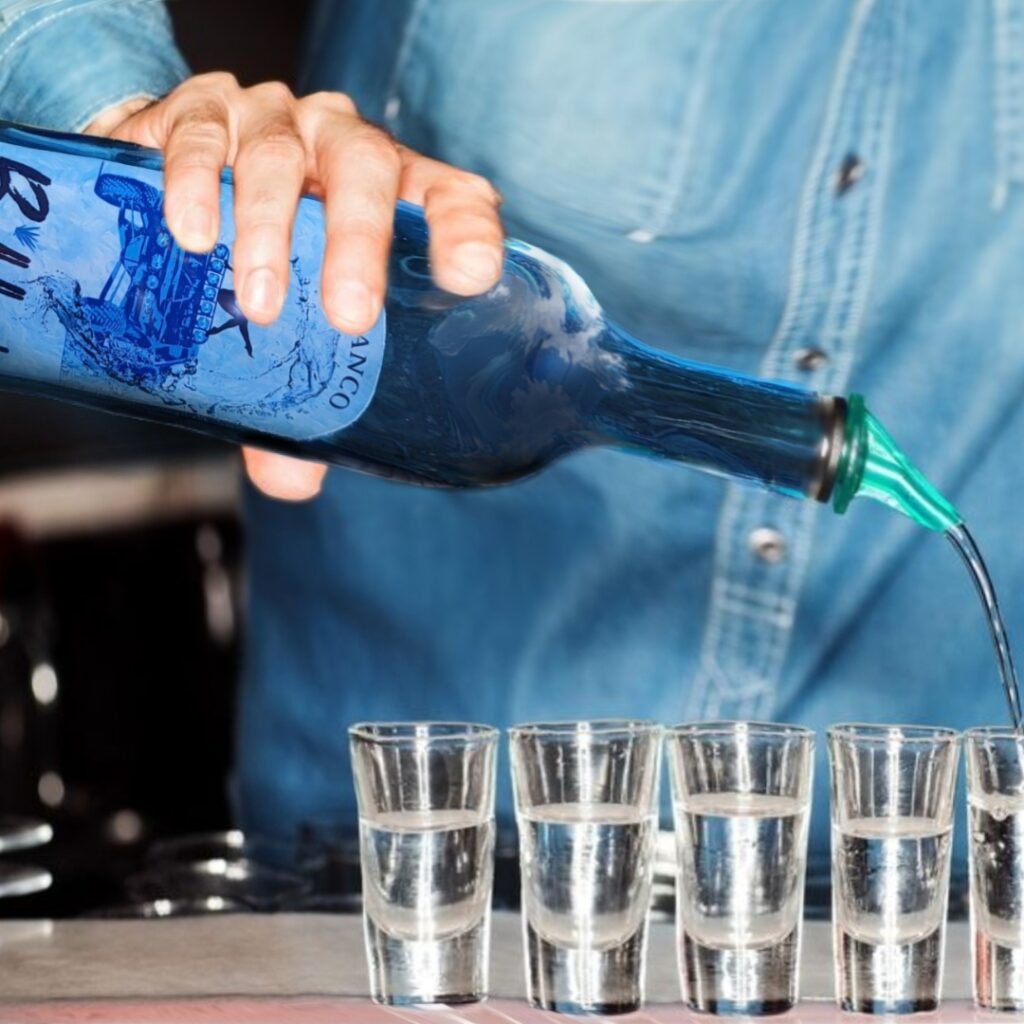
Wide shot glasses, while iconic, allow many of those aromas to dissipate before you experience them.
Trust Your Own Preferences
One of the great pleasures of tequila is discovering how small adjustments can completely change the tasting experience.
Try pouring the same Blanco at three different temperatures.
Notice how the aromas evolve.
Observe how sweetness, pepper, and minerality become more or less pronounced.
There is no universal rule that every tequila lover must follow.
The “perfect” serving temperature is ultimately the one that allows you to enjoy the spirit most.
Understanding how temperature influences flavor simply gives you another tool to appreciate tequila more deeply.

FAQs
What is the best temperature to serve tequila?
For most premium tequilas, 60°F to 65°F (16°C to 18°C) offers the best balance of aroma, flavor, and mouthfeel.
Should tequila be served cold?
Premium sipping tequila is generally best served slightly cool rather than ice cold. Excessive chilling can mute aromas and flavors.
Can you keep tequila in the freezer?
You can, but freezing tequila suppresses many of its aromatic compounds and may reduce the complexity that premium tequila is known for.
Is tequila better with ice?
A large ice cube can soften alcohol and slowly open the spirit, but drinking tequila neat provides the clearest expression of its natural character.
Serving temperature may seem like a small detail, but it has a remarkable influence on how tequila reveals its character. A few degrees can make the difference between a spirit that feels muted and one that showcases vibrant agave, delicate floral notes, rich oak, or layers of spice.
The next time you open a bottle, resist the urge to serve it straight from the freezer. Instead, pour it into the right glass, allow it to settle at the proper temperature, and take a moment to appreciate the aromas before your first sip.
Great tequila is the product of years of cultivation, craftsmanship, and patience. Serving it thoughtfully ensures you experience every nuance the distillers worked so hard to create.