How Long Does Tequila Take to Make?
When you pour a glass of premium tequila, it’s easy to focus on what you taste in the moment—the bright agave notes of a Blanco, the subtle vanilla of a Reposado, or the rich oak character of an Añejo.
What many people don’t realize is that every sip represents years of work before the bottle ever reaches a shelf.
Unlike vodka or gin, which can often be produced within days or weeks, tequila is built on patience. Long before fermentation begins or barrels are filled, nature has already spent years preparing the most important ingredient: Blue Weber agave.
This lengthy process is one of the reasons premium tequila commands greater respect among spirits enthusiasts. It isn’t simply distilled alcohol; it is the result of agriculture, craftsmanship, science, and time.
So how long does it actually take to make a bottle of tequila?
The answer depends on the style of tequila, the production methods used, and whether the spirit is aged. But for many premium tequilas, the journey from agave field to finished bottle can easily exceed a decade.
It All Begins with Blue Weber Agave
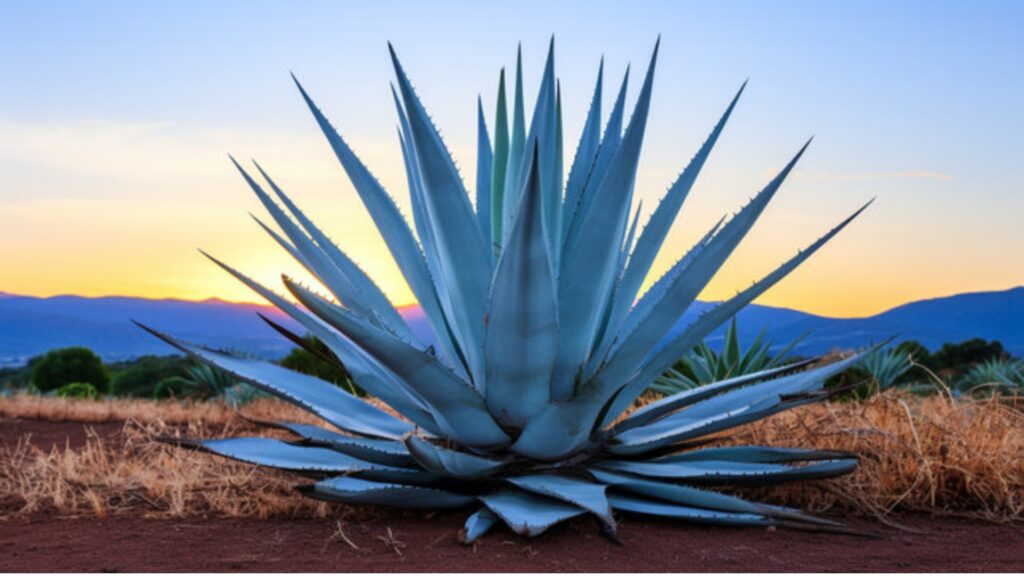
Every authentic tequila begins with one plant: Blue Weber agave.
Unlike grains used for whiskey or grapes used for wine, agave is not planted and harvested within a single season. It grows slowly under the warm Mexican sun, storing sugars inside its massive heart, known as the piña.
Depending on climate, elevation, and farming practices, Blue Weber agave typically requires seven to ten years to fully mature.
During that time, farmers carefully monitor each plant, protecting it from pests, disease, and changing weather conditions. Harvesting too early results in lower sugar concentrations and less developed flavor. Waiting too long can also reduce quality as the plant begins diverting energy toward flowering.
Patience is everything.
The Jimador's Role
When the agave reaches maturity, the next chapter begins.
Highly skilled agricultural workers known as jimadores harvest each plant entirely by hand using a specialized tool called a coa de jima.
The sharp leaves are removed one by one until only the dense piña remains.
A mature piña may weigh anywhere from 50 to more than 150 pounds.
Harvesting requires remarkable precision because every cut influences both efficiency and flavor. Remove too much and valuable sugars are lost. Leave too much leaf attached and bitterness can enter production.
Even today, despite advances in technology, this work remains largely impossible to automate successfully.

Cooking the Agave
Fresh agave cannot be fermented immediately.
Inside the piña are complex carbohydrates called inulin that yeast cannot consume.
The agave must first be cooked to convert those carbohydrates into fermentable sugars.
Depending on the distillery, this stage may take anywhere from 8 hours to nearly 3 days.
Traditional brick ovens cook slowly, encouraging caramelization and richer agave flavors.
Modern autoclaves shorten production time using pressurized steam while still preserving much of the agave’s natural character.
Some industrial producers utilize diffuser technology to maximize efficiency, though many tequila enthusiasts believe slower cooking produces greater complexity.
Regardless of the method, this step marks the true beginning of tequila production.
Crushing and Extracting the Sugars
Once cooked, the softened agave must be crushed to extract its sweet juices.
Historically, this was accomplished using large volcanic stone wheels known as tahonas.
Today, many distilleries use roller mills or other extraction systems.
This process typically lasts only a few hours, but its influence extends throughout the finished spirit.
Different extraction methods preserve different levels of fiber, oils, and flavor compounds that ultimately shape tequila’s mouthfeel and aroma.
Fermentation: Where Tequila Comes Alive
Fermentation is where sugar becomes alcohol.
The extracted agave juice, or juice combined with portions of the agave fibers, is transferred into fermentation tanks where yeast begins converting sugars into ethanol.
This process generally lasts between two and seven days, depending on several variables:
- temperature
- yeast strain
- sugar concentration
- fermentation method
- desired flavor profile
During fermentation, hundreds of aromatic compounds begin developing naturally, contributing fruity, floral, herbal, and spicy characteristics that distinguish one tequila from another.
Although relatively short compared to agave cultivation, fermentation is one of the most influential stages of production.
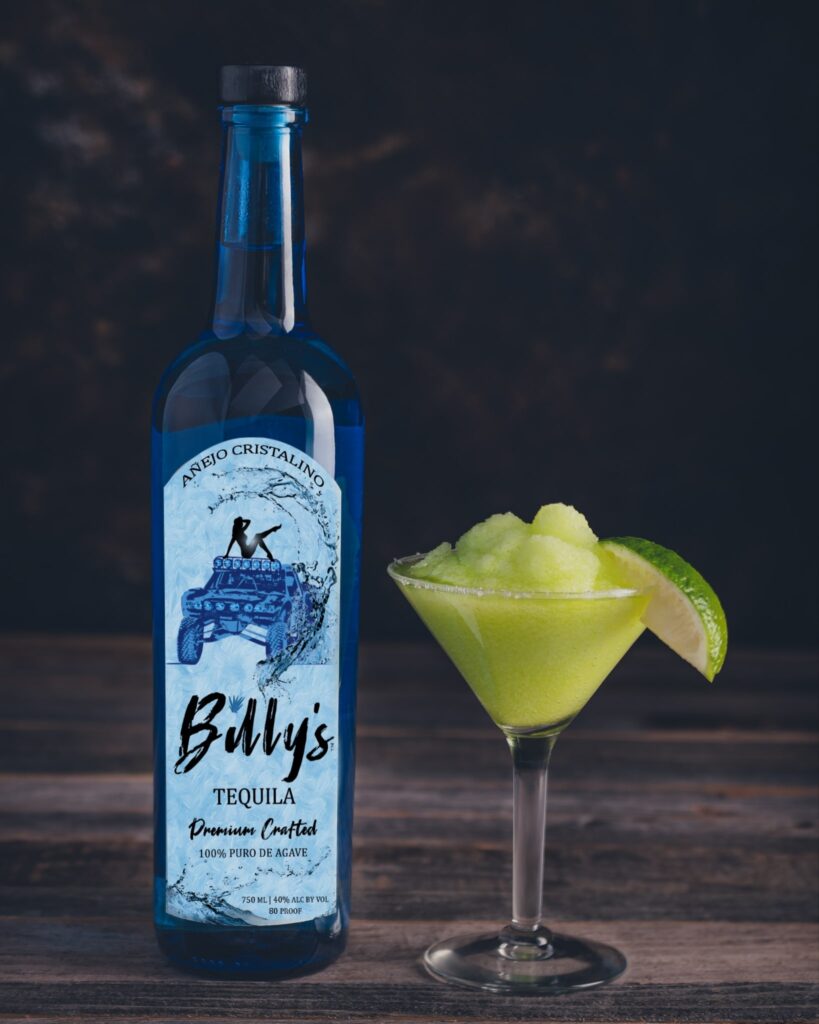
Distillation Refines the Spirit
After fermentation, the resulting liquid resembles a low-alcohol agave beer rather than tequila.
Distillation separates alcohol from water and concentrates desirable flavor compounds.
Most tequila is distilled twice, though some producers choose additional distillation depending on their desired profile.
This stage generally requires one to several days once preparation and cooling are included.
By the end of distillation, tequila has begun revealing the personality consumers recognize.
Yet for many styles, the journey is still far from complete.
Aging Adds Another Dimension
Not every tequila is aged.
Blanco tequila is typically bottled shortly after distillation or rested briefly in stainless steel tanks.
Other styles continue evolving inside oak barrels.
Reposado tequila must mature for at least two months, while Añejo requires a minimum of one year. Extra Añejo remains in oak for three years or longer.
During this time, tequila slowly interacts with the wood, extracting natural compounds that contribute flavors such as vanilla, caramel, baking spice, toasted oak, and dried fruit.
The barrel also softens the spirit through gradual oxidation, creating a smoother, more integrated drinking experience.
For many premium tequilas, aging becomes an exercise in restraint.
The goal isn’t simply to spend more time in wood, it is to allow oak and agave to complement one another without one overpowering the other.
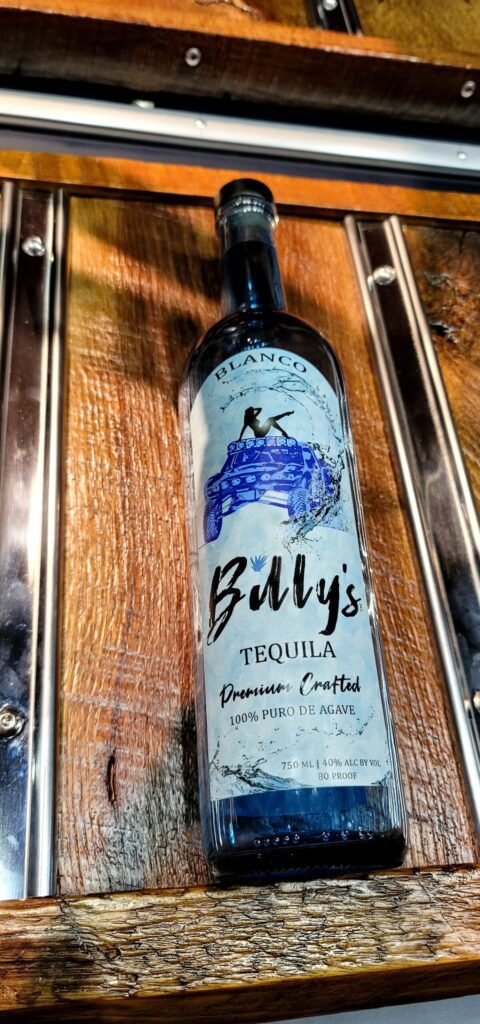
Bottling Is the Final Step
Once the tequila has reached its desired profile, it is filtered, proofed with water when necessary, and bottled.
Although bottling itself may take only a day, extensive quality control ensures consistency before the spirit leaves the distillery.
Every bottle represents years of agricultural planning, careful production, and patient maturation.
So, How Long Does It Really Take?
The answer depends on the style of tequila, but the timeline often surprises people.
A typical premium Blanco may require:
- 7–10 years growing agave
- several days cooking
- several days fermenting
- a few days distilling
- bottling and quality control
Even without barrel aging, that bottle reflects nearly a decade of preparation.
Reposado extends that timeline by several additional months.
Añejo adds at least another year.
Extra Añejo can easily represent 13 years or more from planting to bottling.
Why Time Matters
Time alone doesn’t guarantee exceptional tequila.
Poor farming practices cannot be corrected with longer aging.
Likewise, expensive barrels cannot compensate for immature agave.
But patience remains one of tequila’s defining characteristics.
- Growing agave responsibly
- Harvesting at peak maturity
- Cooking slowly
- Fermenting naturally
- Aging with intention
Each decision builds upon the previous one, creating a spirit whose complexity cannot be rushed.
Understanding this process changes how many people experience tequila.
Instead of viewing it as a quick drink, they begin appreciating it as the product of years of craftsmanship.
FAQs
How long does Blue Weber agave take to grow?
Most Blue Weber agave requires between seven and ten years before it is ready for harvest.
How long does tequila take to ferment?
Fermentation generally lasts two to seven days, depending on production methods.
Does aged tequila take longer to make?
Yes. Reposado, Añejo, and Extra Añejo all spend additional time maturing in oak barrels.
Why does premium tequila cost more?
Long growing periods, labor-intensive harvesting, careful production methods, and barrel aging all contribute to higher production costs.
The next time you raise a glass of tequila, remember that you’re tasting far more than a distilled spirit.
You’re experiencing years of patient cultivation, skilled craftsmanship, and careful decision-making that began long before the bottle reached your hands. Every stage, from the slow growth of Blue Weber agave to the final pour, plays a role in shaping the aromas, flavors, and character that define premium tequila.
Take the time to learn about how your tequila was made. Ask questions about the production process. Explore different styles and producers with an appreciation for the journey behind each bottle.
Because great tequila isn’t created overnight—it is earned through years of dedication, one harvest at a time.