A Complete Expert Guide
Tequila is often spoken about as a single category, but in reality, it’s a spectrum. One spirit, made from one plant, can express itself in dramatically different ways depending on time, technique, and restraint.
Once you know how tequila is classified and why those classifications exist, every label begins to make sense. You stop asking whether a tequila is “smooth” and start asking the right questions: How was it made? How long was it aged? What is the agave trying to say?
Let’s break it down.
The Foundation: All Tequila Starts the Same Way
Before tequila is categorized by style, it begins with a shared origin: blue Weber agave, grown primarily in Jalisco and harvested at full maturity after years in the field.
Once cooked, fermented, and distilled, tequila is classified based on how long it rests after distillation and in what environment. Nothing else changes — the agave remains the soul of the spirit.
The differences you taste come from time and interaction, not added flavor.

Blanco Tequila: The Purest Expression of Agave
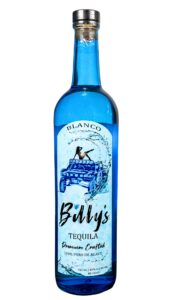
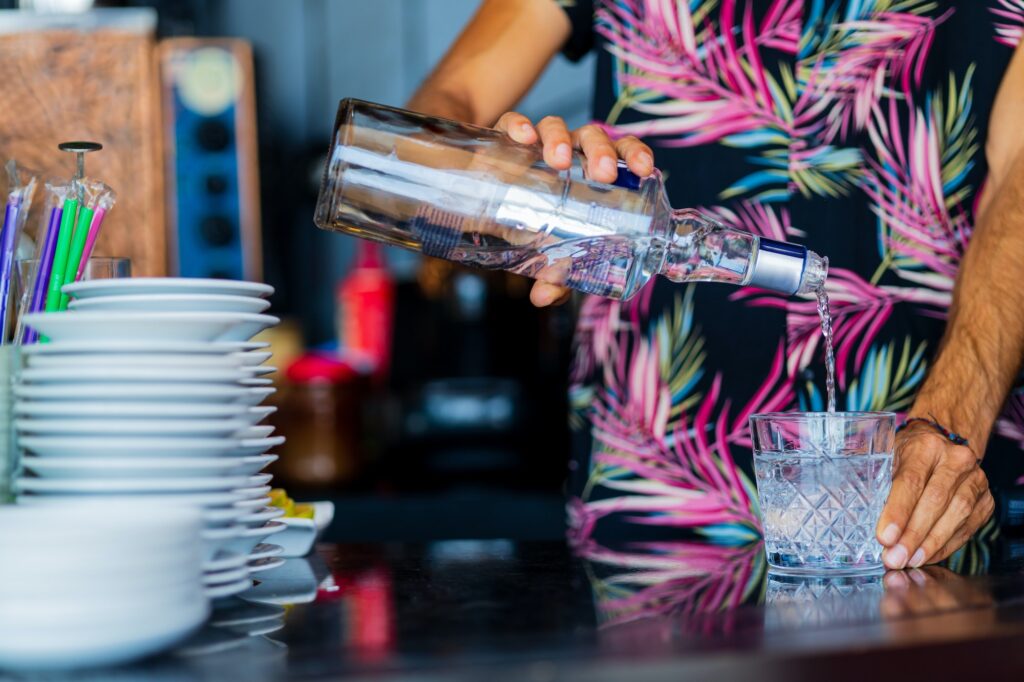
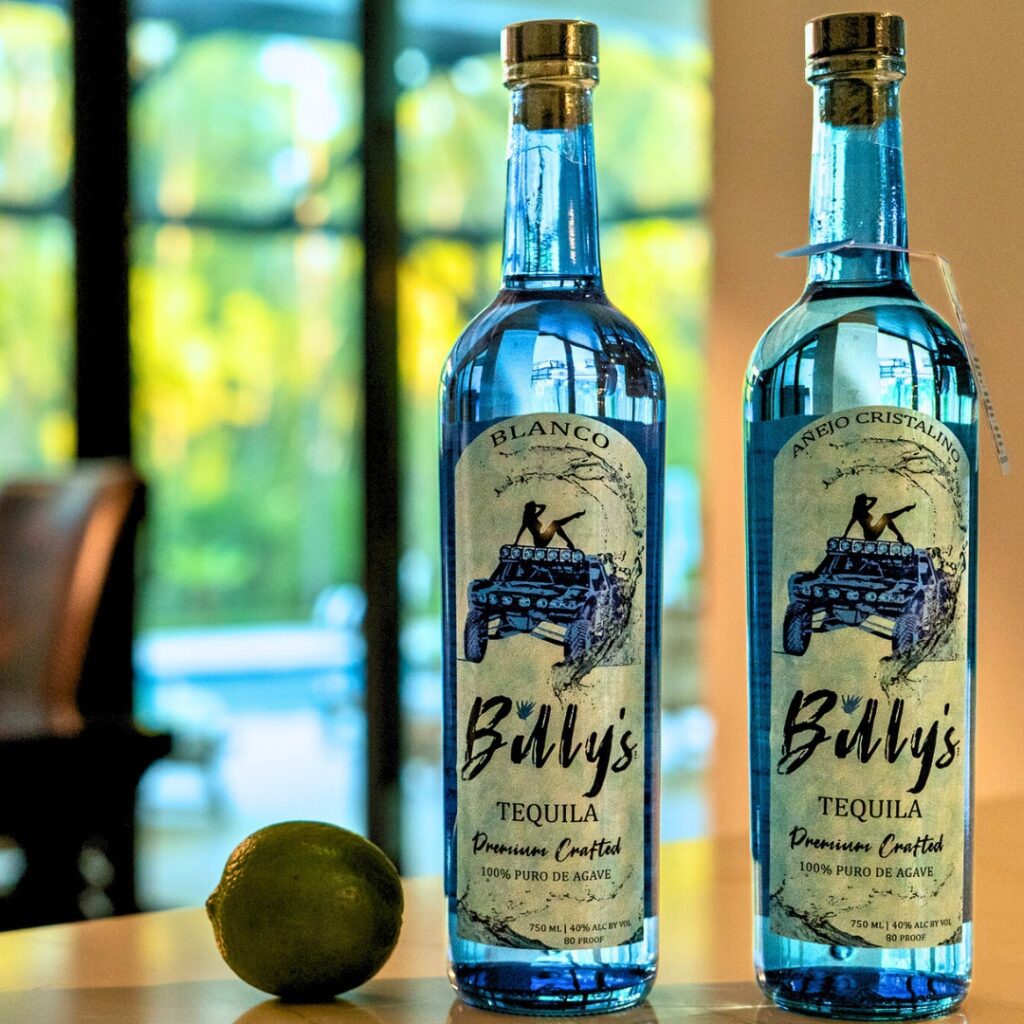
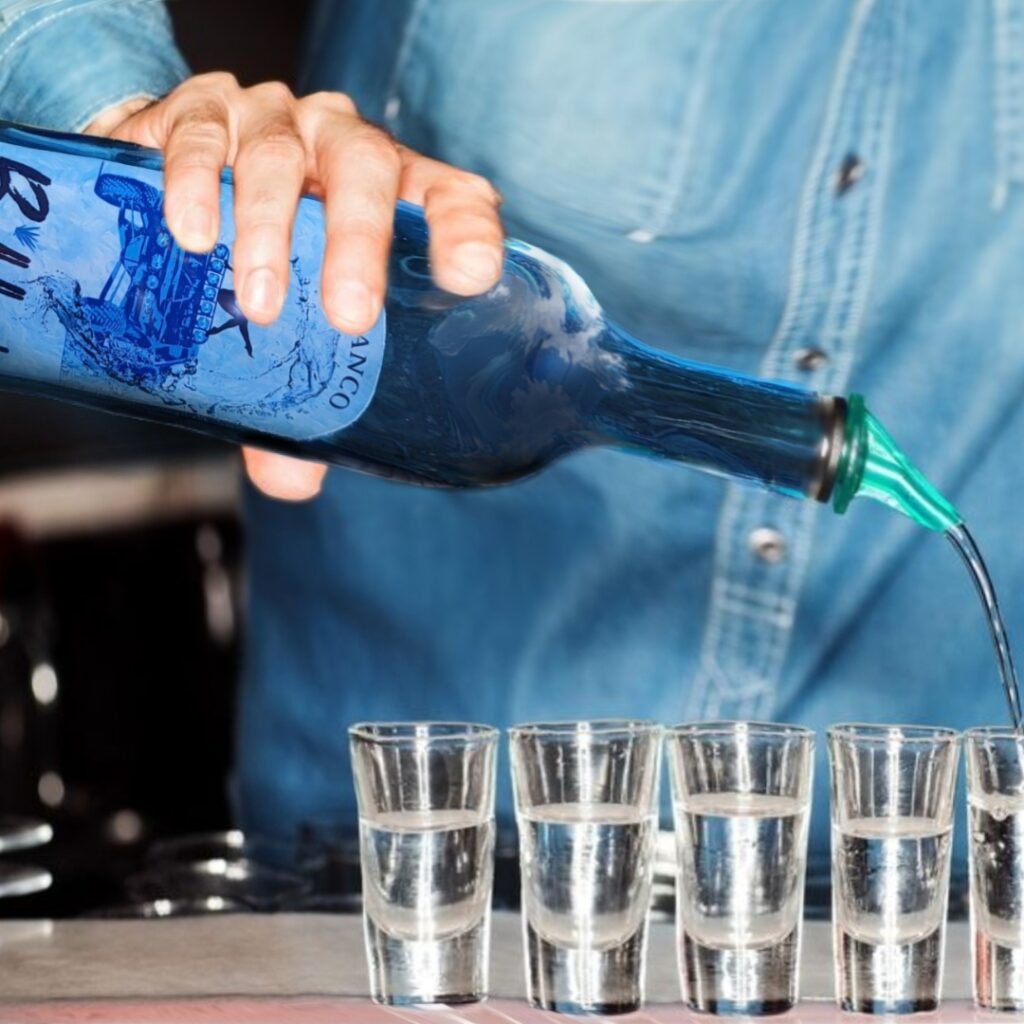
Blanco tequila (also called Silver or Plata) is bottled either immediately after distillation or after a short resting period in stainless steel or neutral vessels.
This is tequila at its most honest.
Blanco showcases cooked agave, citrus oils, pepper, minerality, and natural sweetness derived from fermentation, not oak. When tequila professionals evaluate a distillery, they almost always start with Blanco, because there is nowhere to hide flaws.
Blancos are ideal for:
- sipping when well made
- Margaritas and Palomas
- understanding a producer’s quality
A great Blanco should feel vibrant and clean, with a finish that lingers rather than burns.
Reposado Tequila: Where Balance Begins
Reposado tequila rests in oak barrels for two months to one year. This brief aging period softens the edges of Blanco without overwhelming the agave.
The result is balance.
Reposados introduce gentle notes of vanilla, baking spice, and light caramel while preserving agave brightness. This style is often the most versatile — equally comfortable in cocktails or served neat.
Reposado is the bridge between freshness and depth, making it a favorite among both new tequila drinkers and seasoned enthusiasts.
Añejo Tequila: Time, Depth, and Complexity
Añejo tequila is aged in oak barrels for one to three years. Over this time, the spirit undergoes slow oxidation and chemical exchange with the wood.
Agave steps back slightly, making room for:
- toasted oak
- cocoa
- dried fruit
- warm spice
Añejo tequila is meant to be sipped, not rushed. It performs best in quiet moments, often replacing whiskey or rum for those who prefer richness without heaviness.
The best Añejos remain balanced, oak should enhance agave, not erase it.
Extra Añejo Tequila: Patience Rewarded
Introduced as an official category in 2006, Extra Añejo tequila is aged for three years or more.
This style delivers deep complexity, luxurious texture, and long finishes that rival fine cognac or aged rum. Because tequila ages in a warmer climate than many other spirits, Extra Añejo requires careful monitoring to prevent over-extraction.
When done correctly, the result is remarkable — contemplative, elegant, and layered.
Cristalino Tequila: Modern Refinement
Cristalino tequila begins as an aged tequila, usually Añejo or Extra Añejo, and is then filtered to remove color while retaining aroma and texture.
This process produces a clear spirit with the smoothness of aged tequila and the visual brightness of Blanco. Cristalino is not a shortcut; it’s a technique. When done well, it highlights balance and polish. When rushed, it strips character.
Cristalino shines:
- neat or over a large cube
- in upscale cocktail settings
- for drinkers who enjoy elegance without heaviness
How to Choose the Right Type of Tequila
There is no “best” type of tequila, only the best moment for each style.
- Blanco: freshness, cocktails, agave clarity
- Reposado: versatility, food, relaxed sipping
- Añejo: after-dinner, depth, reflection
- Extra Añejo: special occasions
- Cristalino: refined modern sipping
No matter the style, always look for 100% agave tequila and transparency in production. Sweetness should come from agave and time; not additives.
Common Misconceptions About Tequila Types
One of the biggest myths is that aged tequila is “better” than unaged. In reality, aging is a choice, not an upgrade.
Another misconception is that darker tequila means higher quality. Color alone tells you nothing without knowing how it got there.
Understanding style prevents disappointment and leads to better bottles.
FAQs (Expert Answers)
Is Blanco tequila stronger than Añejo?
No. Alcohol content is similar; Blancos feel sharper because they lack oak softening.
Which tequila is best for beginners?
Reposado often offers the smoothest entry point.
Are Cristalinos artificial?
Not inherently. Quality depends on filtration technique and starting tequila.
Does aging mean additives?
Not at all. Additives are optional — and unnecessary in well-made tequila.
Tequila reveals itself slowly, but only if you know how to listen.
By understanding the different types of tequila, you stop drinking on autopilot and start choosing with intention. You taste agave instead of sugar. Balance instead of burn. Craft instead of trend.
Whether you reach for a vibrant Blanco, a nuanced Reposado, or a refined Cristalino, let the style match the moment.
Because the best tequila experience isn’t about category — it’s about clarity.