
There’s a world of difference between lining up shots on a crowded bar and guiding your friends through a carefully curated tequila tasting at home. One is about speed. The other is about discovery.
A great tequila tasting party transforms your living room into a mini tasting room. You’re not just pouring drinks—you’re offering a tour through agave fields, brick ovens, oak barrels, and the subtle decisions of a master distiller. You don’t need a bar license or a professional backbar to create a tasting that feels refined, educational, and unforgettable. You just need intention and a little structure.
Choosing the Right Tequila Lineup
The heart of a tequila tasting at home is the lineup. Most people make one of two mistakes: they either put out too many bottles and overwhelm everyone, or they pour only one style and guests walk away thinking tequila is one-dimensional.
Aim for a flight of four to five expressions that tell a clear story.
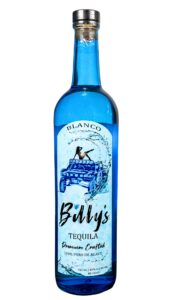
Start with a Blanco. This is tequila in its most honest form—no oak, no color, and nowhere to hide. A good Blanco offers cooked agave, citrus oil, a touch of pepper, and a clean finish. It sets the baseline for everything that follows.
Next, introduce a Reposado, rested in oak for a few months. You’ll still taste the core of the agave, but now layered with gentle vanilla, baking spice, and a little roundness in the texture. It’s a bridge between pure agave and the influence of barrel-aging.
Then move into Añejo. Here the oak begins to really speak: caramel, dried fruits, cocoa, toasted nuts. This is the sipping style that converts “I’m not a tequila person” skeptics.
If you want something with a modern twist, include an Añejo Cristalino; an aged tequila that has been filtered to remove color while preserving much of the aromatics and smoothness. A well-made Cristalino can be a great final stop on the flight: visually striking, texturally silky, and perfect for people who enjoy a refined, polished profile.
If you’d like a wild card, add a high-proof Blanco or a single-estate bottle and call it your “terroir expression.” It gives you a chance to talk about where the agave grows and how soil, altitude, and climate shape flavor.
Whenever possible, choose additive-free tequilas. When you’re hosting a tasting, you want your guests to experience real agave character, not vanilla-flavored shortcuts or syrupy sweetness. Building your flight around additive-free brands—such as a bright, clean Blanco and a well-structured Cristalino from Billy’s Tequila—will make the differences between each style.
Setting the Stage: Atmosphere Matters
A tequila tasting party should feel special long before the first pour hits the glass. Think about the room as carefully as you think about the bottles.
Choose a space where everyone can sit around the same table or counter. People should be able to see each other, their glasses, and the bottles without strain. Dim, warm lighting works best. You want enough light for guests to evaluate color, but not so much that the room feels clinical. Avoid scented candles or air fresheners; they interfere with aroma, which is half the experience.
Background music is fine, encouraged even, but keep it low and unobtrusive. A soft Latin jazz playlist or acoustic set keeps energy up without drowning out conversation. And one small but important detail: keep the room comfortable. Tequila served too cold loses nuance, but a hot, stuffy space doesn’t encourage lingering, either.
You’re building a mood that says: we’re here to relax, talk, and pay attention.
Glassware and Tools: The Quiet Heroes of a Tasting
You don’t need crystal stemware, but you do need the right shape. Wide shot glasses, frozen tumblers, and oversized margarita goblets are terrible for serious tasting. The goal is to concentrate aromas, not let them drift away.
Small tulip-shaped wine glasses, copitas, or Glencairn-style glasses are ideal. They funnel the aromas toward the nose and allow guests to swirl without spilling half the pour. If you don’t have those, small white wine glasses will do just fine.
Alongside the glasses, have water for each guest—still, not sparkling—so it doesn’t interfere with the palate. Put out a neutral palate cleanser such as unsalted crackers or plain bread. Simple tasting cards or sheets where guests can jot down impressions of nose, taste, and finish help them engage with what they’re experiencing, even if they’re new to tequila.
If you want to go one level deeper, keep a few small droppers nearby and show your guests how a drop or two of water can open up a high-proof tequila. And if you really want to echo professional tastings, place a small bowl or spittoon on the table and casually mention that spitting is acceptable and even encouraged for deeper analysis. It immediately shifts the vibe from “let’s get drunk” to “let’s actually taste.”
Teach How to Taste Tequila
Before you dive into the first pour, give your guests a simple framework. You don’t need to turn it into a lecture; a two-minute walkthrough is enough to change the entire experience.
Have everyone lift their first glass and start with the nose. Ask them to hold the glass just below the nose and take a gentle inhale. Then, on a second attempt, breathe in partly through the mouth, which softens the alcohol impact and shows more of the underlying aroma.
When you move to the sip, emphasize that this is not a shot night. Invite them to take a small sip and let it roll across the tongue. Ask what they notice first: is it sweet or dry, citrusy or herbal, creamy or sharp?
Then focus on the finish. After swallowing, ask them to pay attention for a few seconds. Does the flavor vanish instantly? Does it grow? Does it leave spice, warmth, or a lingering sweetness?
Once everyone has done this with the Blanco, repeat the process with Reposado, Añejo, and Cristalino. Before long, even your least experienced guests will start noticing differences in texture, sweetness, spice, and oak. That’s the moment the night stops being about “strong tequila” and turns into a conversation about flavor.
Building a Food Experience Around the Flight
Food isn’t a requirement, but it transforms the night from “we tried some spirits” into “we had a tasting experience.”
The trick is to keep things light and intentional. Avoid heavy dishes that overwhelm the palate or coat the tongue in fat.
Blanco tequila is right at home with brightness and acidity. Think citrus-marinated shrimp, ceviche, or a simple plate of jicama sticks with chili, lime, and a pinch of sea salt. The fresh flavors echo the tequila’s pepper and citrus notes without overpowering them.
Reposado pairs well with char and smoke. Small carne asada skewers, roasted corn with cotija, or grilled vegetables play beautifully with the mild oak and baking spice that rest in the wood imparts.
For Añejo and Cristalino, lean into dessert territory. A few squares of dark chocolate, espresso brownies, or slices of aged gouda make excellent partners. The gentle sweetness and richer aromatics in aged tequila stand up well to bitter chocolate and caramelized notes in cheese.
You don’t need a sprawling charcuterie board. A handful of well-chosen bites, presented simply, sends a clear message: every part of this evening has been considered.
Keeping Guests Engaged Without Turning It into a Class
You’re not hosting a certification seminar; you’re hosting friends. The challenge is to keep things structured enough for people to learn, but relaxed enough that everyone feels comfortable.
One easy way to strike that balance is to give your tasting a loose agenda. For example, you might start with a welcome pour of Blanco while everyone gathers and you explain how the night will work. Move through Blanco and Reposado with a bit more explanation; talk about production basics, aging definitions, and the idea of additive-free tequila. Take a short break, serve a light cocktail such as a Tommy’s Margarita made with fresh lime and agave syrup, and let conversation drift.
When everyone comes back to the table for Añejo and Cristalino, you can talk about oak influence, barrel size, and why some producers choose to filter aged tequila back to clarity. You can finish with a small blind comparison: an additive-free Blanco versus a mass-market bottle. Ask people to guess which is which and what they notice. The discussion that follows is often the most memorable part of the night.
If you want to sprinkle in a little structure, create a simple scorecard where guests rate aroma, taste, and finish. Not because the numbers really matter, but because it helps people articulate what they’re experiencing.

Responsible Enjoyment: The Most Important Part of Hosting
A well-run tequila tasting party at home is about appreciation, not excess. Make that intention clear from the start.
Set out plenty of water and actively encourage guests to use it between pours. Serve food early, not after the flight. Don’t be shy about suggesting rideshare options or arranging a designated driver for anyone who needs it.
When you model that behavior—tasting in small sips, spitting occasionally, pacing yourself—guests will naturally follow. They’ll remember the night for the flavor and the conversation, not the hangover.
FAQs (Expert Answers)
- How many tequilas should I serve at a home tasting? Four to five is ideal. It’s enough to show range—Blanco, Reposado, Añejo, and possibly a Cristalino or high-proof wild card—without overwhelming your guests’ palates.
- How much tequila should I pour for each person? Plan on about 0.5–0.75 oz (15–20 ml) per expression per guest. That’s enough for a few thoughtful sips while keeping the total alcohol load manageable, especially if you’re also serving a small cocktail.
- Do I really need special glassware, or can I use shot glasses? You can host a tasting with almost any glass, but tulip-shaped glasses or small white wine glasses make a noticeable difference. They concentrate aroma and give people more to talk about. Shot glasses encourage knocking it back, which misses the point of a tasting.
- What’s the best way to introduce additive-free tequila to beginners? Build a simple comparison into your flight. Pour an additive-free Blanco next to a popular mass-market bottle and taste them side by side. Ask guests what they notice about sweetness, texture, and finish before you reveal which is which.
- Can I include cocktails, or should it be all neat pours? A mix works beautifully. Use neat pours for the main tasting so guests understand the base spirit, then offer one or two simple cocktails—like a Tommy’s Margarita or a Paloma—as interludes. This keeps things fun and shows how quality tequila performs in mixed drinks.
- How long should a tequila tasting party last? Two to three hours is a sweet spot. It gives you time to walk through the flight, enjoy some food, have a bit of unstructured conversation, and wrap up without rushing—or dragging the night out.