The New Purity Movement in Tequila
Walk into any high-end bar or bottle shop, and you’ll hear it whispered like a badge of honor: “Is it additive-free?”
What was once an insider’s question among distillers has become a global movement; a revolution against shortcuts and chemical interference in one of Mexico’s proudest exports.
As someone who has spent decades studying and tasting agave spirits across Jalisco’s highlands and lowlands, I can tell you this: additive-free tequila isn’t just a label; it’s a philosophy. It’s a return to authenticity, to patience, and to the honest flavors born from nothing more than agave, water, yeast, time, and oak.
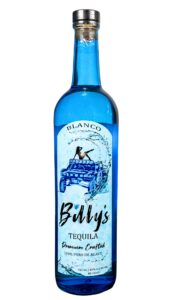
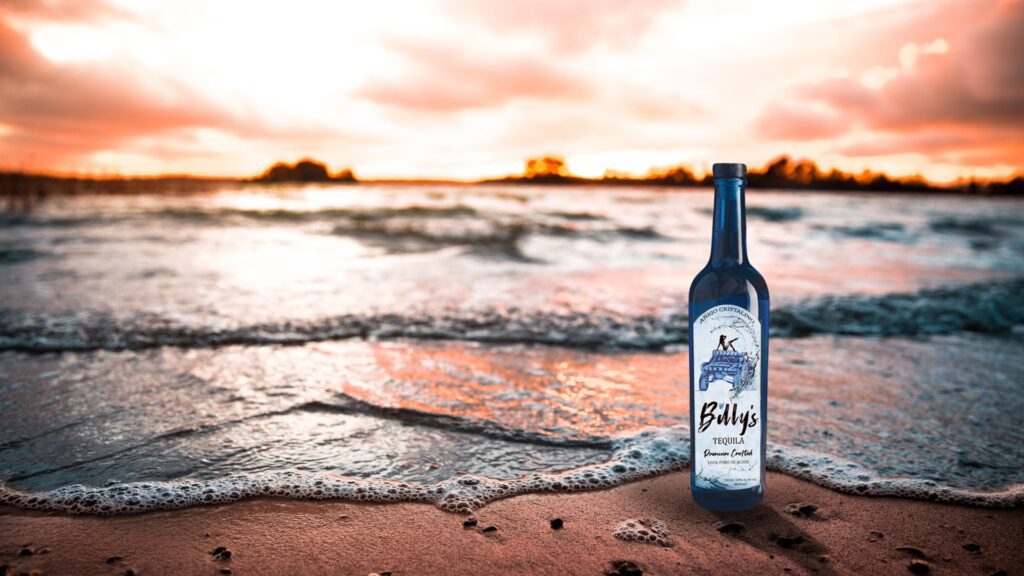
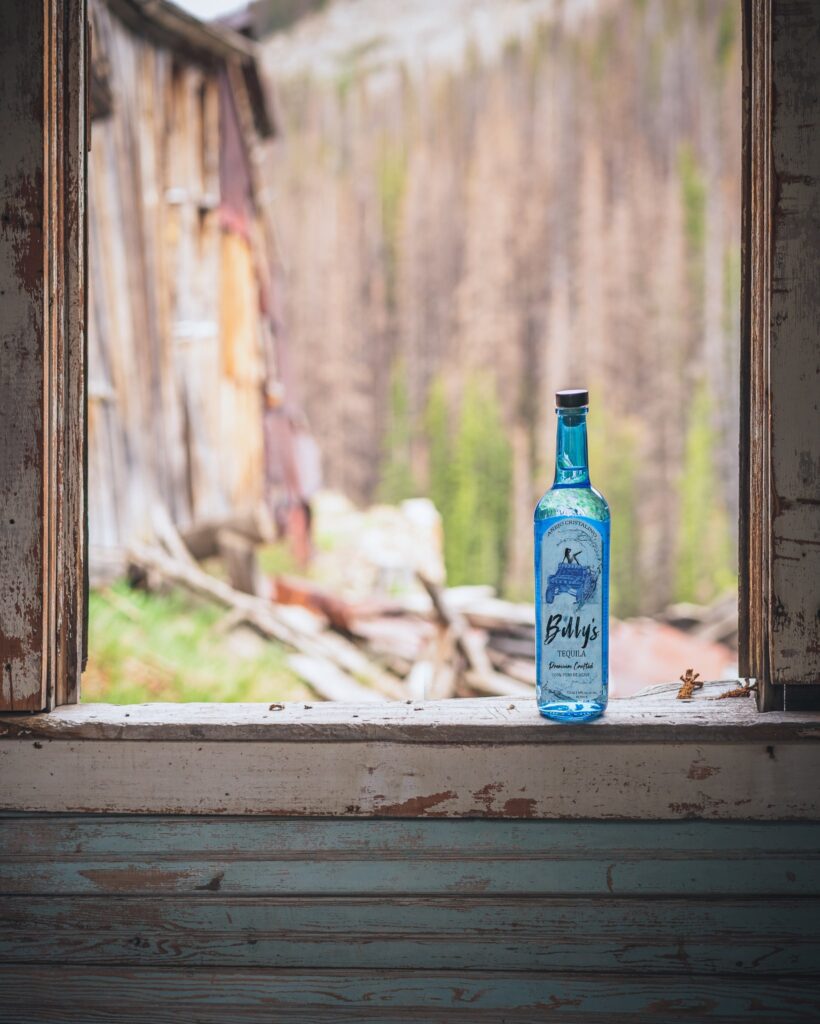
Billy’s Tequila proudly stands in that lineage — born from Baja grit, refined through craftsmanship, and bottled without compromise.
What “Additive-Free” Actually Means
Tequila is one of the most regulated spirits on earth, governed by Mexico’s Consejo Regulador del Tequila (CRT). Every bottle labeled “tequila” must meet strict rules regarding agave content, geography, and production.
But here’s the twist — under CRT law, producers can legally add up to 1% of additives by volume without disclosing it.
These can include:
- Caramel coloring to darken younger tequila
- Glycerin to create fake smoothness
- Oak extract for artificial “aged” notes
- Sweeteners (sugars, syrups, or flavorings)
That 1% may sound small, but in a high-proof spirit, it’s enough to mask poor distillation, rushed aging, or overused oak. The result? A tequila that tastes manufactured instead of crafted.
Additive-free producers, like Billy’s, reject those shortcuts entirely. Their tequila’s smoothness comes not from chemistry, but from careful slow cooking, natural fermentation, clean distillation, and time in honest oak.
How to Tell if a Tequila Is Truly Additive-Free
Not every bottle will tell you the truth outright, but trained eyes (and palates) can spot purity quickly.
- Look for 100% Agave
It must say “100% de Agave” or “100% Blue Weber Agave.” If not, it’s a mixto — legally allowed to include up to 49% other sugars. Avoid it.
- Find the NOM Number
Every distillery has a NOM (Norma Oficial Mexicana) identifier printed on the bottle. Use it to check production sources on tequilamatchmaker.com or official CRT records. Some NOMs are known for transparency; others produce multiple mass-market labels.
- Taste for Authentic Texture
True additive-free tequila feels alive, crisp, layered, slightly dry, with natural viscosity from agave sugars.
Additive-laced tequilas often taste syrupy, flat, or artificially sweet, with a cloying aftertaste.
- Clarity & Legs
Pure tequila shows crystal clarity in Blanco or a golden hue in Reposado — no haze, no caramel tinting. Swirl your glass; look for slow, even tears that form naturally from agave oils.
Why Additives Exist and Why They’re Fading
In the 1990s and early 2000s, tequila demand surged faster than agave could grow. Big producers turned to industrial diffusers, chemical accelerants, and flavor enhancers to maintain consistency.
Additives became a marketing crutch; a way to simulate “smooth” tequila without investing in traditional ovens, extended fermentations, or patient barrel aging.
But consumers got wiser.
Bartenders, sommeliers, and connoisseurs began tracing NOM numbers, asking about fermentation methods, and demanding authentic flavor over artificial comfort.
Now, additive-free certification has become a global marker of quality. The most respected distilleries, and a growing number of craft brands, proudly bear that distinction.
Billy’s Tequila embodies that shift: from convenience back to craftsmanship.
How Billy’s Tequila Stays Pure
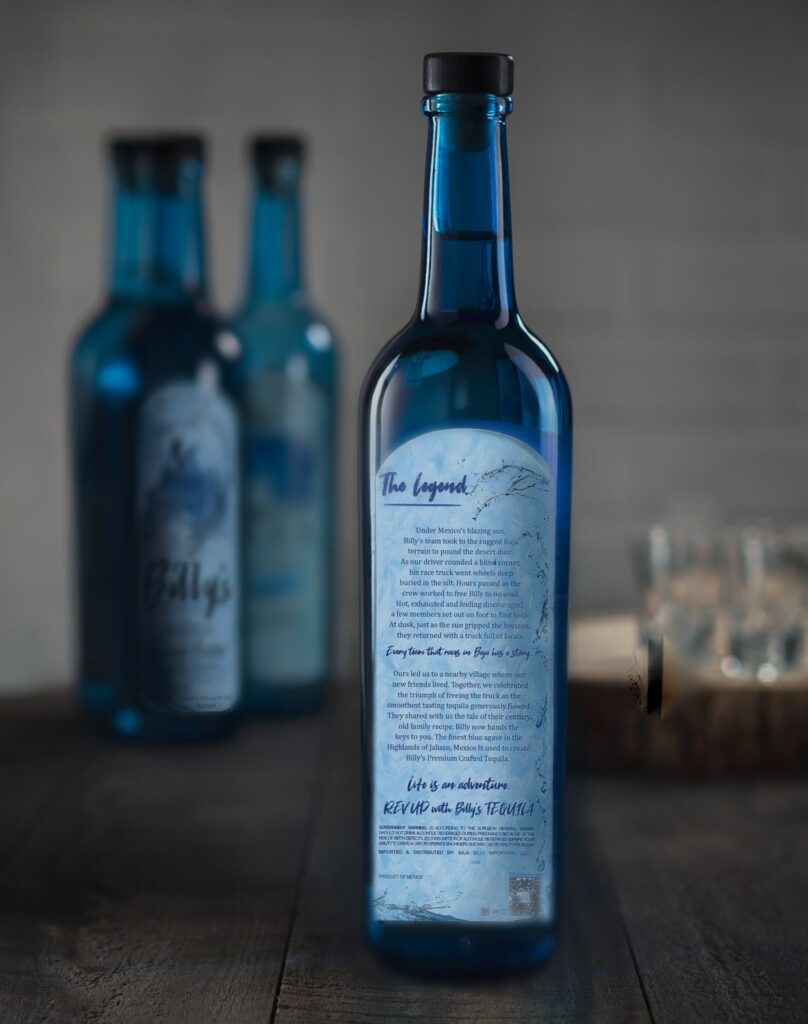
- Slow-Cooked Agave: Brick ovens, not diffusers. The piñas cook evenly, caramelizing natural sugars instead of scorching them.
- Natural Fermentation: Open-air tanks capture wild yeasts unique to the Baja region, developing layered aromatics.
- Double Distillation: Clean copper stills strip impurities without losing complexity.
- Honest Aging: Rested in natural oak, never stained, flavored, or sweetened.
- No Additives — Ever: What you taste is the true character of mature agave and time.
The Additive-Free Tasting Experience
The Setup:
- Two Glencairn or Riedel tequila glasses
- One bottle of Billy’s Blanco
- One bottle of a mass-market “ultra-smooth” brand
- Smell both: Billy’s will show cooked agave, citrus, and minerality. The other likely leans sweet, buttery, or artificial.
- Sip: Billy’s holds structure and brightness. The other feels thick or cloying.
- Finish: Billy’s leaves a clean pepper warmth; the other lingers with syrupy weight.
The Future of Transparency in Tequila
The additive-free movement is more than a marketing trend, it’s accountability. It’s tequila reclaiming its soul.
We’re seeing new consumer verification programs, open production disclosures, and distillery-led education initiatives that empower drinkers to make informed choices.
In this new era, knowledge is the ultimate luxury and purity is the new prestige.
As tequila lovers demand transparency, brands like Billy’s stand ready to lead — one honest pour at a time.
FAQs (Expert Answers)
- Is additive-free tequila healthier?
Not in a medical sense, but it’s cleaner. You’re tasting natural agave compounds; not flavor chemicals, syrups, or dyes.
- Why do some brands hide their additives?
Because CRT regulations allow up to 1% undisclosed. Only brands that choose transparency voluntarily share their methods.
- Can tequila be both smooth and additive-free?
Absolutely. True smoothness comes from mature agave, balanced distillation, and time; not glycerin or sugar.
- What’s the easiest way to find additive-free tequila?
Check the “Additive-Free Certified” list by Tequila Matchmaker, or trust brands like Billy’s Tequila that publish their process openly.
- Does additive-free mean more expensive?
Often, yes — but you’re paying for authenticity, not artificial enhancement.
Additive-free tequila represents the rebirth of integrity in the industry; a reminder that true quality can’t be rushed, replicated, or replaced.
From the dusty Baja trails to your glass, Billy’s Tequila carries that spirit forward — pure, honest, and proud of what’s not inside.
Raise your glass to the real taste of agave.