Discover how agave terroir defines tequila flavor. Learn the key differences between Jalisco’s Highlands and Lowlands and what to sip from each region.
The Soul of Tequila Begins in the Soil
Every tequila tells a story long before it reaches the glass. It begins in the earth, in the mineral veins of Jalisco’s volcanic hills or the deep clay soils of its valleys.
To understand tequila, you must first understand terroir — the interplay of land, climate, altitude, and tradition that shapes the spirit’s DNA.
As someone who has walked both regions’ fields, the fiery sun of Los Altos and the cool humidity of El Valle, I can tell you this:
The land speaks through the agave. And when you listen closely, you taste it.
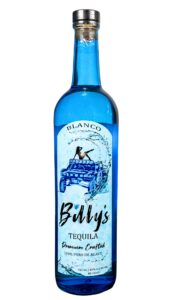
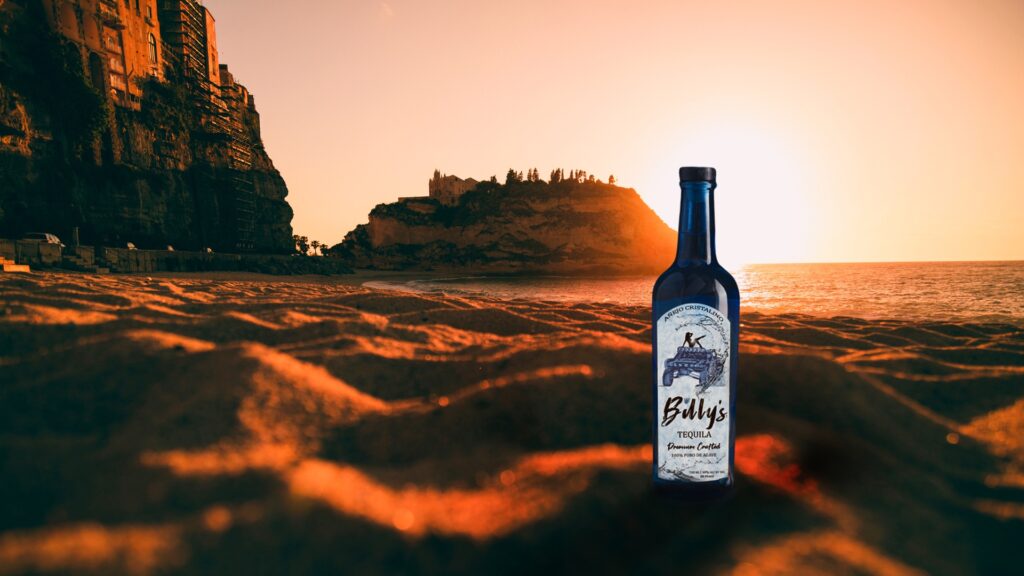
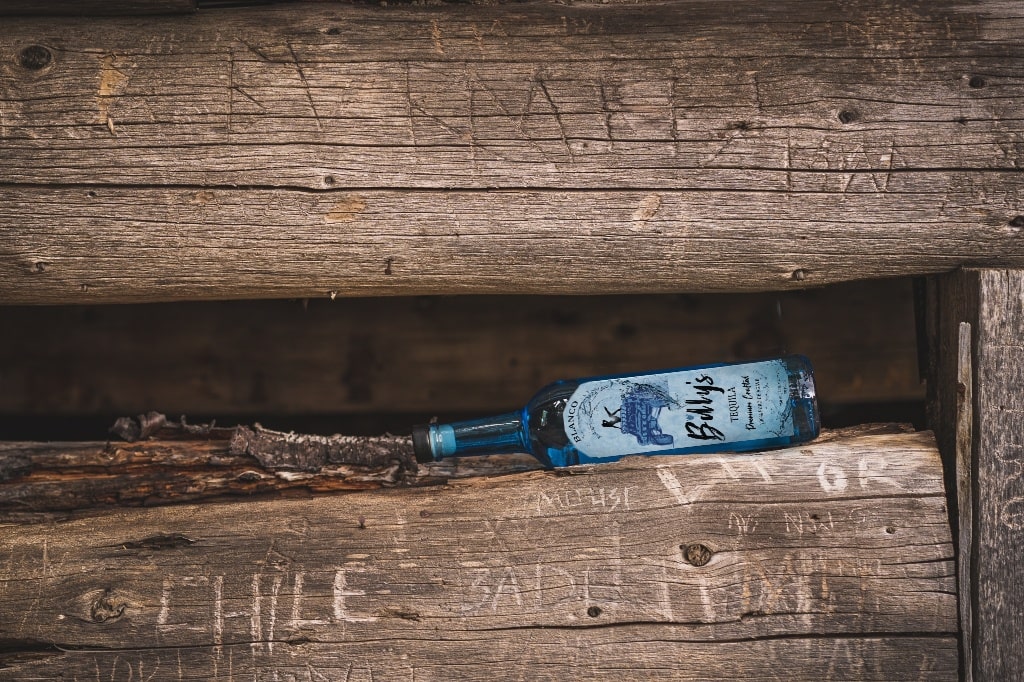
Billy’s Tequila honors both worlds; drawing inspiration from the rugged Baja terrain and the timeless craft born in Jalisco.
What Terroir Means in Tequila
“Terroir” is a term often reserved for wine, but it applies even more vividly to agave. Tequila isn’t simply distilled sugar; it’s the essence of place.
Each agave plant spends 6–10 years in the soil before harvest, drawing minerals, nutrients, and character from its surroundings. During that time, everything matters:
- Altitude and temperature influence sugar concentration.
- Rainfall and soil pH affect minerality.
- Sun exposure determines aromatic complexity.
- Microflora and yeast impact fermentation profiles.
The result? A spectrum of flavor between Highlands (Los Altos) and Lowlands (El Valle de Tequila) that’s as distinct as night and day.
The Highlands (Los Altos): Elegance, Sweetness, and Floral Complexity
The Environment:
- Soil: Iron-rich red clay and volcanic deposits
- Climate: Cooler nights, abundant rainfall, and consistent sunlight
- Agave Growth: Slower, smaller yields, but higher sugar content
The Flavor Profile:
Highland tequilas are bright, aromatic, and fruit-forward.
Expect notes of:
- itrus blossom
- Cooked agave sweetness
- Pear, vanilla, and honey
- Light floral perfume
On the palate, they’re soft, rounded, and graceful; excellent for sipping neat or enjoying in cocktails that emphasize purity (like a Tommy’s Margarita or simple Paloma).
Expert Tip:
The altitude stress on agave encourages it to produce more sugars and esters, which directly translate into smoothness and complexity during fermentation.
The Lowlands (El Valle): Earth, Spice, and Strength
Where It Is:
El Valle — or Tequila Valley — surrounds the town of Tequila itself, in the western state of Jalisco, sitting around 3,500–4,200 feet above sea level.
The Environment:
- Soil: Dark volcanic basalt and alluvial sand
- Climate: Warmer days, dry air, and intense sun exposure
- Agave Growth: Faster maturation, lower sugar concentration
The Flavor Profile:
Lowland tequilas are robust, earthy, and pepper-driven.
Expect notes of:
- Wet stone and minerality
- Roasted pepper, clove, and nutmeg
- Herbal or vegetal depth
- Dry, spicy finish
They’re bold and assertive — perfect for traditionalists who appreciate a little bite and a big backbone.
Pro Pairing:
A Lowland Reposado with grilled carne asada or dark chocolate. The smoky depth and spice meet beautifully.
Highland vs Lowland: Side-by-Side Comparison
| Attribute | Highlands (Los Altos) | Lowlands (El Valle) |
|---|---|---|
| Altitude | 6,000–7,500 ft | 3,500–4,200 ft |
| Soil Type | Iron-rich red clay | Dark volcanic basalt |
| Climate | Cooler, wetter | Hotter, drier |
| Sugar Content | Higher (slower growth) | Moderate (faster growth) |
| Flavor Profile | Floral, sweet, citrusy | Earthy, spicy, mineral |
| Texture | Smooth, rounded | Bold, structured |
| Best For | Sipping, cocktails | Neat pours, aged styles |
How the Region Affects Each Tequila Style
Blanco:
Highlands: Crisp, citrusy, and elegant. Excellent for sipping neat or with a light salt rim.
Lowlands: More spice and minerality — great in a Margarita or with grilled seafood.
Reposado:
Highlands: Balanced between fruit and oak; vanilla and honey tones shine.
Lowlands: Deep, savory, with pepper and tobacco undertones.
Añejo / Cristalino:
Highlands: Dessert-like smoothness; caramel and orange zest with delicate oak.
Lowlands: Toasted oak, spice, and minerality for a drier, more masculine finish.
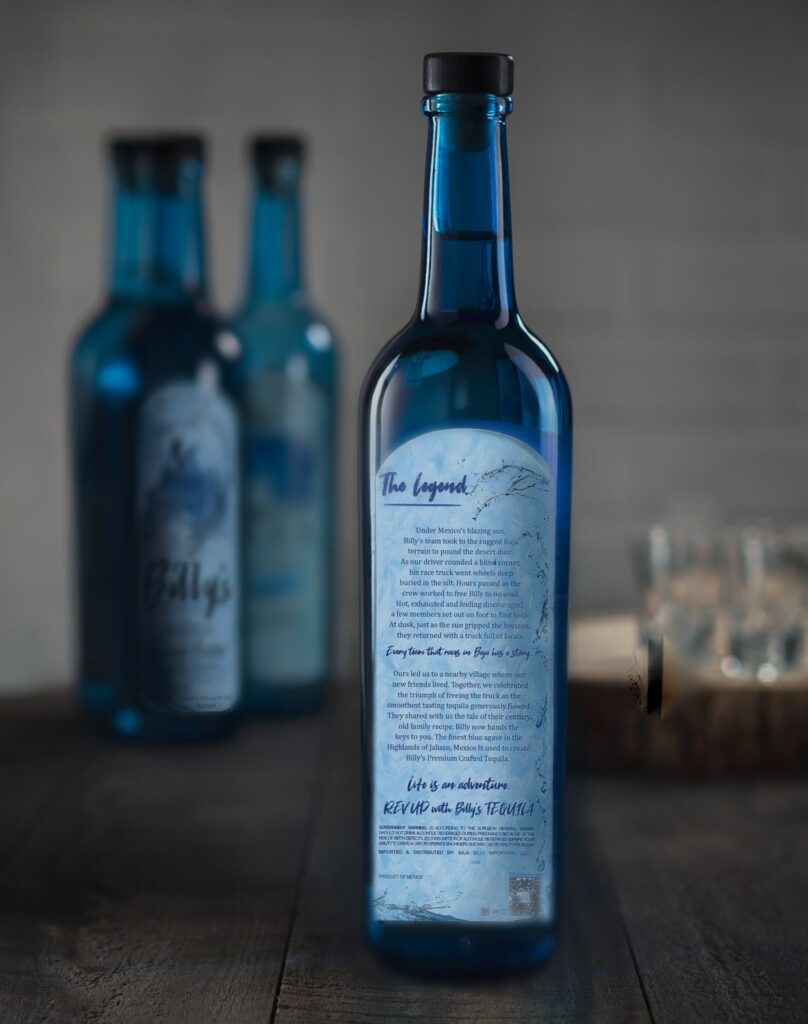
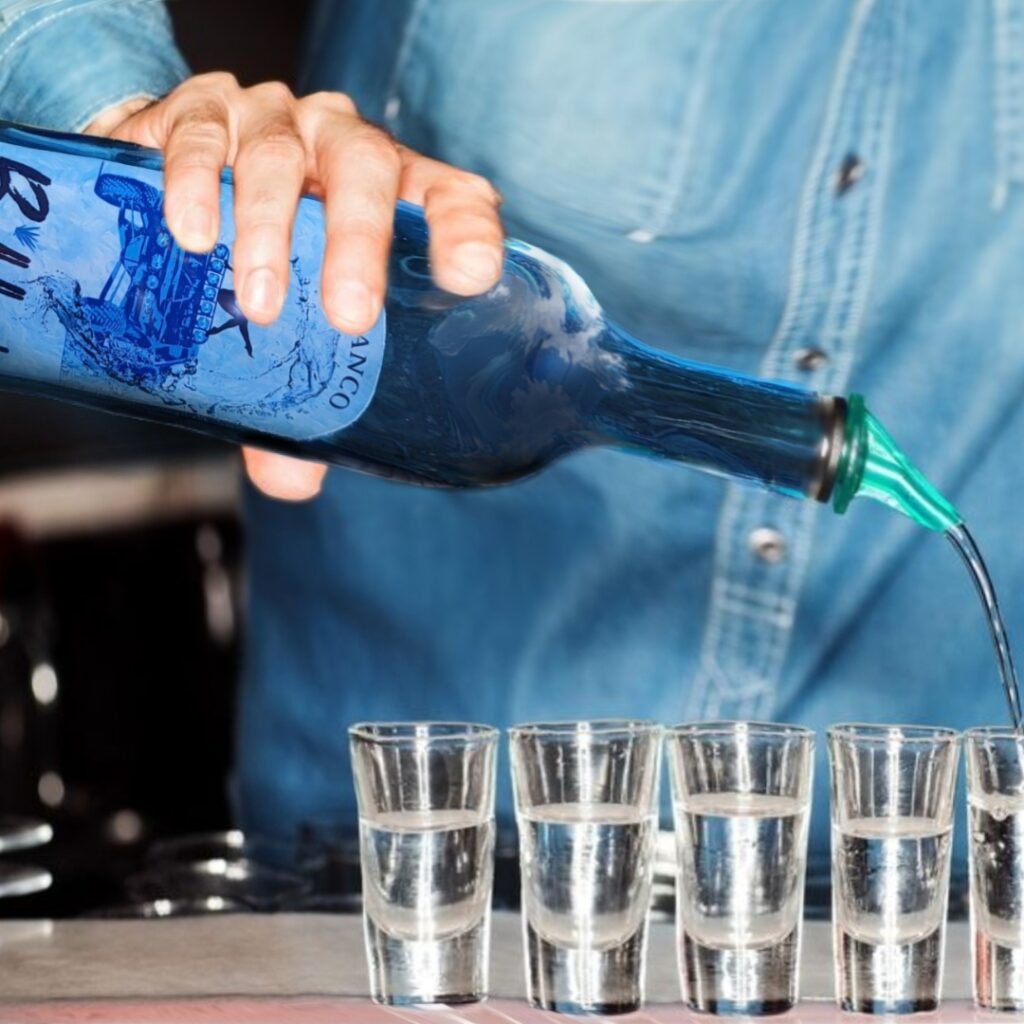
Why Billy’s Tequila Honors Both Worlds
While rooted in Baja’s racing spirit, Billy’s Tequila draws from both highland and lowland philosophies:
- The fresh, floral vibrancy reminiscent of the highlands.
- The bold, earthy finish inspired by the lowlands’ power.
The result is a balanced tequila that bridges refinement and resilience — a nod to the terroirs that define Mexico’s agave heartland.
Each bottle of Billy’s captures that duality: elegance meets grit; altitude meets endurance.
The Importance of Authentic Sourcing
In a market crowded with mass-produced spirits, terroir is often lost. Many brands blend agaves from multiple regions, or worse, source from contract distilleries with no transparency.
A true premium tequila, like Billy’s, will:
- Clearly state its production region and distillery (NOM).
- Use single-origin agave whenever possible.
- Honor traditional slow-cooking to preserve terroir nuance.
Terroir isn’t just a location; it’s a commitment to letting the land speak for itself.
How to Taste for Terroir
- Smell first.
Highland aromas lift high — think citrus and honey. Lowland aromas stay grounded — clay, pepper, roasted agave.
- Sip slowly.
Hold for 3–5 seconds. Highland sweetness will expand mid-palate; lowland spice will build at the back.
- Observe the finish.
Highland finishes fade clean and floral; lowland finishes are dry and peppered.
Pro Tip:
Try alternating sips of Highland and Lowland tequilas side-by-side; the contrast will redefine how you perceive agave flavor.
FAQs (Expert Answers)
- Which is better: Highland or Lowland tequila?
Neither — it depends on your preference. Highland tequilas are sweeter and more aromatic; Lowlands are earthier and more intense.
- Is Billy’s Tequila from the Highlands or Lowlands?
Billy’s draws inspiration from both; capturing the Highlands’ smooth citrus and the Lowlands’ grounded spice.
- Why does altitude affect flavor?
Higher elevation stresses the agave plant, concentrating sugars and producing more nuanced aromas.
- Do blended-region tequilas lose character?
Often, yes. Blending can create balance but can also dilute terroir if not carefully managed.
- How do I know a tequila’s origin?
Check the NOM number on the bottle; it identifies the distillery and region of production.
Highlands or Lowlands — both are testaments to Mexico’s extraordinary landscape and the craftsmanship of its people.
To the trained palate, each sip is a geography lesson; a liquid map of soil, sun, and soul.
When you raise a glass of Billy’s Tequila, you’re not just tasting agave, you’re tasting the earth it came from.
Two lands. One spirit. Endless stories in every pour.