Why Label Knowledge Separates Enthusiasts from Experts
In the world of tequila, the truth isn’t hidden—it’s printed on the bottle.
Every label carries a story: where the agave was grown, who distilled it, and how faithfully the producer followed centuries of tradition. Yet most people overlook it, chasing pretty bottles and celebrity endorsements.
If you’ve ever wondered what NOM, CRT, or Hecho en México really mean, or how to tell if your tequila is authentic and additive-free, this guide will turn you into an informed drinker.
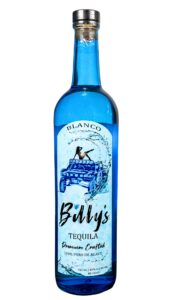
Billy’s Tequila was built on that very transparency. Every drop reflects honesty in production, clarity in labeling, and pride in Mexico’s most iconic spirit.
The 5 Things Every Tequila Label Must Tell You
According to Mexico’s strict regulations (the Norma Oficial Mexicana, or NOM-006-SCFI-2012), all certified tequila bottles must include specific information on the label.
Here’s what matters and what it reveals about the quality inside.
- The NOM Number — Your Distillery Fingerprint
The NOM (Norma Oficial Mexicana) is a four-digit code that tells you exactly which distillery produced your tequila.
It’s typically found on the back label or neck and begins with “NOM,” followed by a number—like NOM 1414, NOM 1529, or NOM 1589.
Think of it as the spirit’s DNA.
Even if two brands look different, if they share the same NOM, they’re made at the same distillery—often using the same equipment and methods.
Expert Tip:
Visit TequilaMatchmaker.com and enter the NOM number. You’ll see every brand produced there, its reputation, and whether it’s known for additive-free production.
Billy’s Tequila proudly bears its NOM as a mark of accountability; not a mystery. Transparency is the first step toward trust.
- CRT Seal — The Mark of Authentic Mexican Tequila
The Consejo Regulador del Tequila (CRT) is the regulatory body that ensures every tequila labeled “Hecho en México” meets legal standards.
Look for the CRT’s official seal or certification statement on the label. It guarantees that:
- The tequila was made only in the five authorized Mexican states (primarily Jalisco).
- The spirit was produced from 100% blue Weber agave.
- The production followed NOM-006-SCFI-2012 guidelines.
Without this seal, the product may be a mixto, an imitation, or a non-certified agave spirit.
Pro Insight:
CRT certification is like a passport stamp—proof your bottle legally carries the name tequila. Without it, it’s just flavored alcohol with agave perfume.

- “100% de Agave” — Purity You Can Taste
This phrase separates authentic tequila from mass-market imitators.
A bottle labeled “100% de Agave” or “100% Blue Weber Agave” means all sugars used during fermentation came from the agave plant itself.
If it only says “Tequila” without that phrase, up to 49% of the fermentable sugars can come from corn syrup, cane sugar, or molasses; creating what’s called a mixto.
Mixto = diluted flavor, heavier hangover, and zero craftsmanship.
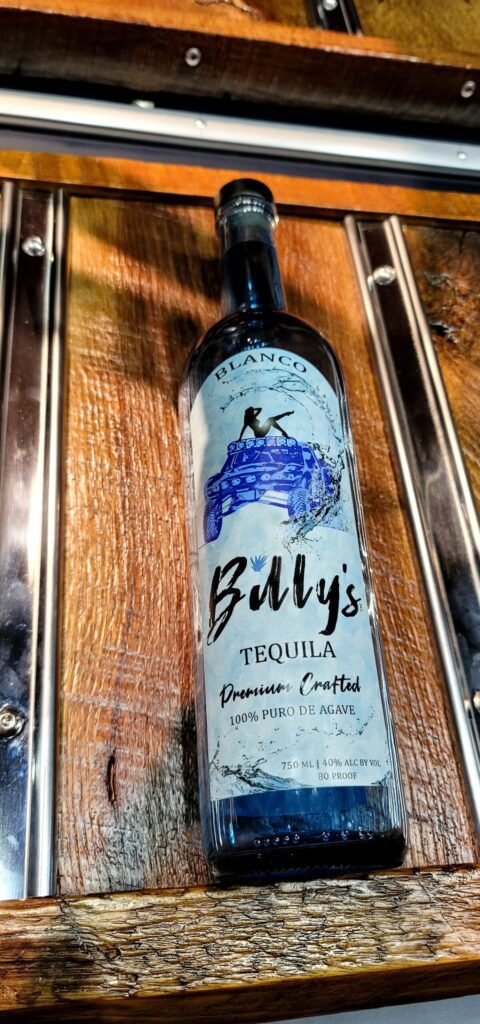
Billy’s Tequila is, and always will be, 100% blue Weber agave. No shortcuts, no filler sugars, no compromises.
- Category & Class — Understanding the Style
Tequila isn’t one flavor; it’s a family of styles. The label should specify both category and class so you know what you’re sipping.
Categories:
- 100% de Agave Tequila (premium)
- Tequila (Mixto)
Classes:
- Blanco / Plata / Silver: Unaged, pure agave expression.
- Reposado: Rested 2–12 months in oak.
- Añejo: Aged 1–3 years in oak.
- Extra Añejo: Aged over 3 years.
- Cristalino: Aged, then charcoal-filtered for clarity.
Each offers a different balance of sweetness, spice, and oak character.
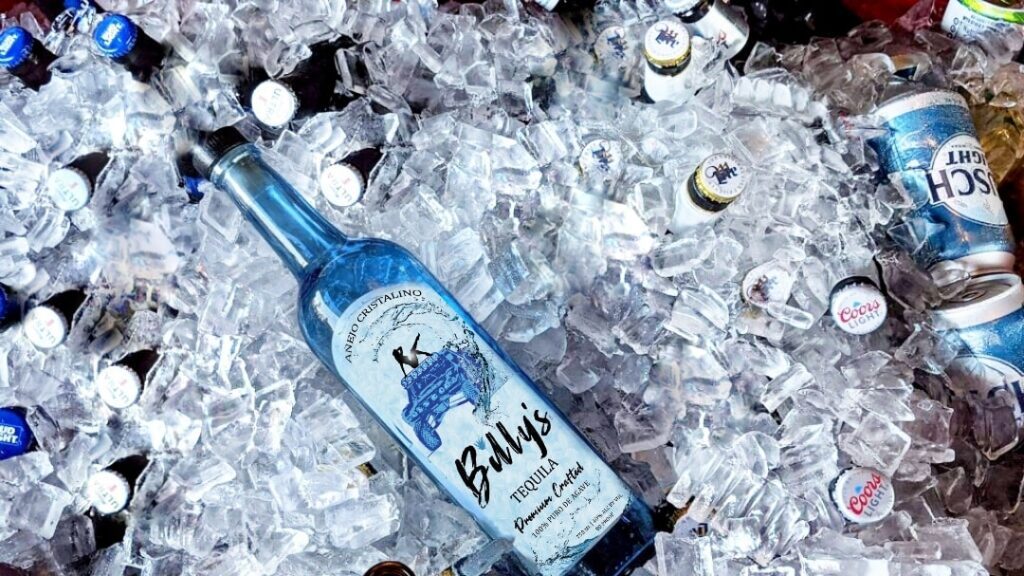
When you pick up Billy’s Añejo Cristalino, that classification tells you it’s an aged tequila filtered for silky clarity; smooth enough to sip neat, yet rich with oak depth.
- Origin & Alcohol Content — Geography and Balance
- A proper tequila label will list:
- “Hecho en México” (Made in Mexico)
- Town and state of distillation (e.g., Arandas, Jalisco)
- ABV % / Proof (typically 35–40% ABV for export markets)
Authentic producers proudly display their region because terroir influences flavor—just as Highland and Lowland distinctions do.
The ABV tells you how much structure and warmth to expect; lower proofs may feel soft, higher proofs reveal intensity and character.

Bonus: What the Label Doesn’t Tell You (But Should)
Even with all the legal info, a label can’t reveal everything. That’s where your curiosity, and palate, come in.
Hidden Details to Ask or Research:
- Cooking method: Brick oven vs diffuser (slow = better).
- Fermentation: Open-air natural yeast vs accelerated.
- Distillation: Copper pot vs steel column.
- Additives: Caramel coloring, glycerin, oak extracts, or sweeteners.
Tasting Tip:
Additive-free tequila feels vibrant, slightly dry, and clean. Chemical additives taste syrupy or artificial. Your tongue will know the truth before your brain does.
Common Label Myths — Busted
Myth #1: The darker the color, the older the tequila.
Not always. Coloring agents or oak extracts can darken young tequila. Trust transparency, not tint.
Myth #2: The more expensive the bottle, the better the tequila.
Design costs money; authenticity doesn’t need glamour. Some of Mexico’s best tequilas wear humble labels.
Myth #3: “100% Agave” means additive-free.
False. The 1% additive loophole still applies unless a brand declares itself additive-free certified.
Myth #4: All NOMs guarantee equal quality.
No—they guarantee origin, not excellence. Two brands can share a NOM but differ drastically in integrity.
How Billy’s Tequila Leads with Transparency
Every bottle communicates authenticity through clarity and craft:
- NOM visible and traceable.
- 100% Blue Weber Agave from verified fields.
- No hidden additives or artificial colorants.
- Produced under full CRT oversight.
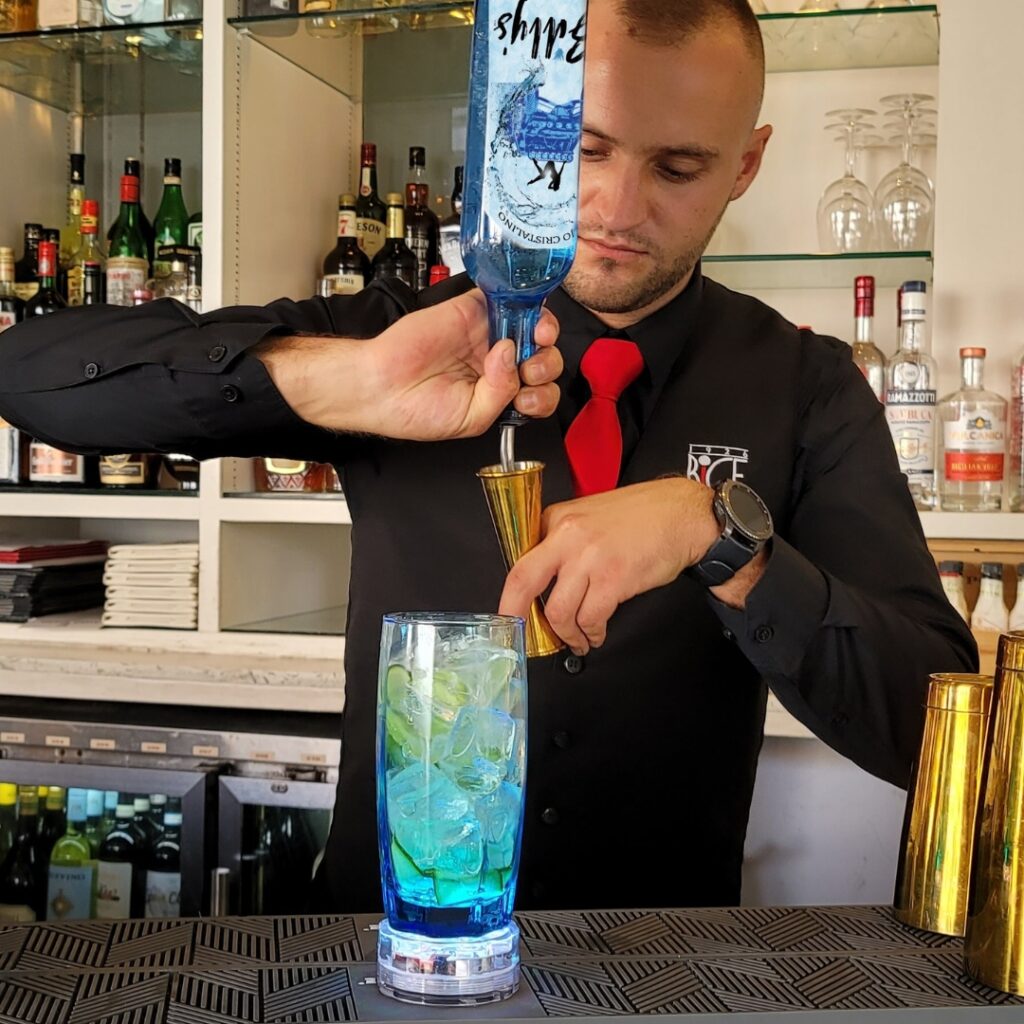
When you pour Billy’s Blanco, you’re tasting accountability—distilled.
Checklist: How to Read a Label in 10 Seconds
| Step | What to Find | What It Tells you |
|---|---|---|
| 1 | “100% de Agave” | Pure agave sugars, no fillers |
| 2 | NOM number | Distillery origin |
| 3 | CRT seal | Legal certification |
| 4 | Category & Class | Style and aging |
| 5 | Hecho en México | Authentic production |
| 6 | ABV (35–40%) | Strength and structured |
| 7 | Region (Jalisco, etc.) | Terroir profile |
| 8 | Additive-free statement | Transparency |
| 9 | Bottle design | Brand philosophys |
| 10 | Your taste test | Final proof of quality |
FAQs (Expert Answers)
- What does NOM stand for on a tequila bottle?
NOM means Norma Oficial Mexicana—the law that governs tequila production and identifies the distillery that made it.
- Can different brands share the same NOM?
Yes. A single distillery can produce multiple brands under one NOM, though each may have its own recipe or aging style.
- What does the CRT do?
The Consejo Regulador del Tequila verifies authenticity, geographic origin, and compliance with official Mexican standards.
- Is “Hecho en México” always trustworthy?
Only if accompanied by a NOM and CRT seal. Without them, it might be a non-certified agave spirit.
- How can I verify if a tequila is additive-free?
Look for “Additive-Free Certified” on Tequila Matchmaker or check the producer’s transparency statement—Billy’s Tequila proudly qualifies.
Understanding a tequila label is more than a party trick; it’s a way to honor the people and places behind each bottle.
A NOM number connects you to the distillery. A CRT seal connects you to Mexico’s heritage. And the words 100% de Agave connect you to the earth itself.
When you know how to read a label, you stop buying tequila—you start choosing it.
And when you choose Billy’s, you choose truth, craftsmanship, and character distilled from pure blue agave and Baja grit.
Read the label. Know the land. Taste the difference.