Craft, Chemistry, & Agave
Tequila may be one of the most misunderstood spirits in the world. Often reduced to shots and salt, it is, in reality, one of the most labor-intensive and time-dependent spirits ever produced.
Tequila is not made quickly, casually, or by accident, it is the result of years of agricultural patience, followed by a precise sequence of decisions that shape every aroma, texture, and finish.
This is how tequila is truly made — step by step — without shortcuts, myths, or marketing gloss.
Step One: Growing and Harvesting Blue Weber Agave
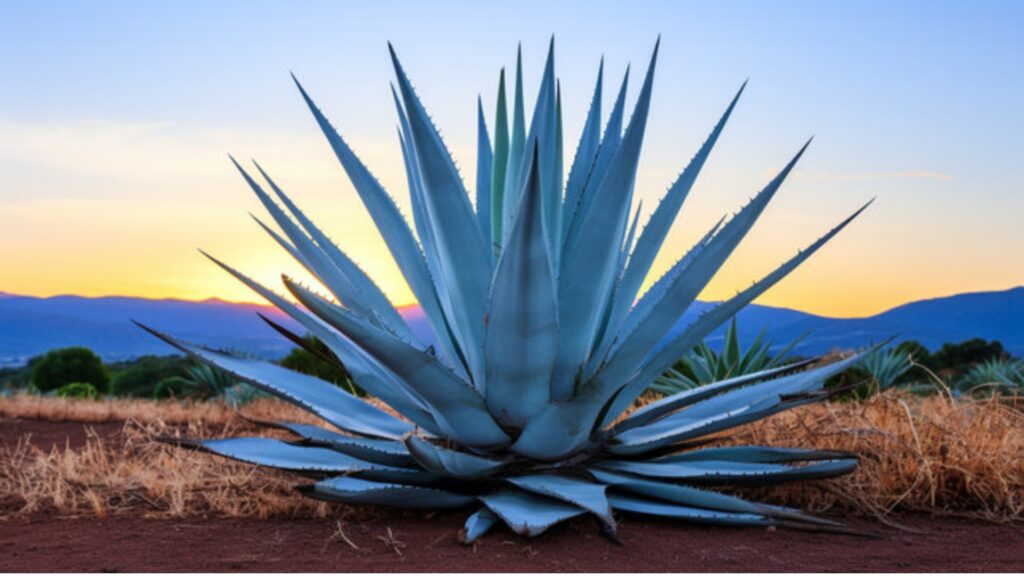
All tequila begins with one plant: blue Weber agave (Agave tequilana Weber azul). This spiky succulent is not a cactus, and it does not regenerate annually. It requires 7 to 10 years to mature before it can be harvested.
During that time, agave stores energy as complex carbohydrates called inulin inside its heart, known as the piña. Harvesting too early results in harsh, thin tequila. Harvesting at maturity yields natural sweetness, depth, and balance.
Skilled workers known as jimadores remove the agave’s long leaves by hand, revealing the piña beneath. This step alone requires years of experience, one bad cut can ruin the plant.
Step Two: Cooking the Agave
Raw agave is bitter and inedible. Cooking transforms it.
Traditionally, piñas are slow-roasted in brick or stone ovens for up to 48 hours. Heat converts inulin into fermentable sugars while triggering caramelization reactions that create honeyed, baked-agave flavors.
Modern industrial methods may use diffusers to extract sugars rapidly, but speed comes at a cost. Slow cooking preserves agave character and complexity — something you can taste instantly in the final spirit.
This is where tequila’s soul begins to take shape.

Step Three: Crushing and Sugar Extraction
Once cooked, the softened agave is crushed to release its sweet juice.
Traditional producers use a tahona, a massive stone wheel that gently presses the agave fibers. Others use mechanical shredders. The goal is the same: extract sugars without introducing bitterness.
The resulting liquid, called mosto, contains the fermentable sugars that will soon become alcohol.
How gently this step is handled has a lasting impact on mouthfeel and finish.
Step Four: Fermentation — Where Flavor Is Born
Fermentation is the most underestimated step in tequila production and arguably the most important.
Yeast consumes the sugars in the agave juice and converts them into alcohol. Along the way, it creates hundreds of aromatic compounds: esters, acids, and alcohols that define tequila’s flavor profile.
Temperature, fermentation time, oxygen exposure, and yeast strain all matter. Open-air fermentation invites wild yeast and complexity. Controlled tanks offer precision and consistency.
This is where tequila develops fruit, spice, floral notes, and texture — long before it reaches a still.
Step Five: Distillation — Refining the Spirit
Distillation separates alcohol from water and concentrates flavor.
Most tequila is distilled twice in copper or stainless steel stills. During distillation, the spirit is divided into heads, hearts, and tails. Only the heart, the cleanest and most balanced portion, is kept.
This process removes harsh compounds while preserving agave character. Poor distillation creates burn. Skilled distillation creates harmony.
Equipment matters, but experience matters more.
Step Six: Aging (or Not)
After distillation, tequila may be bottled immediately or aged in oak barrels.
- Blanco: bottled unaged or rested briefly
- Reposado: aged 2–12 months
- Añejo: aged 1–3 years
- Extra Añejo: aged 3+ years
Aging introduces vanilla, spice, and depth through chemical interaction with wood. Because tequila ages in a warm climate, it matures faster than many spirits — making timing critical.
Oak should support agave, not bury it.
Step Seven: Filtration and Bottling
Some aged tequilas undergo filtration, particularly Cristalino styles, where charcoal filtration removes color while preserving texture and aroma.
Finally, tequila is diluted to bottling strength (usually around 40% ABV), filtered for clarity, and bottled.
At this stage, every decision made over the past decade reveals itself in the glass.
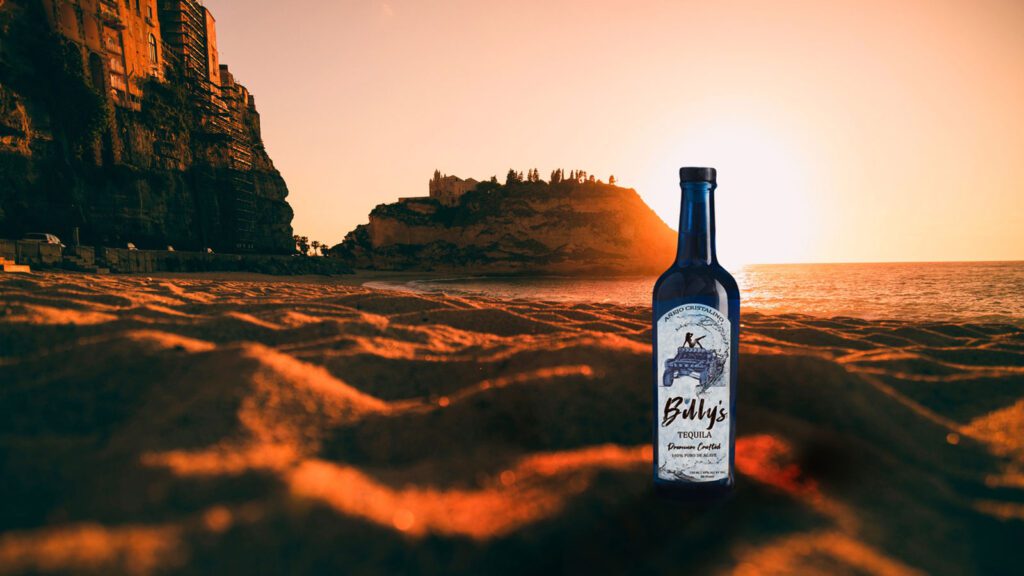
Why Additive-Free Tequila Matters
By regulation, tequila may contain up to 1% additives without disclosure. These can include sweeteners, coloring, and flavoring agents.
Well-made tequila does not need them.
Additive-free tequila relies entirely on agave quality, fermentation control, and distillation skill to achieve balance and smoothness. Once you taste the difference, it’s impossible to unlearn.
Frequently Asked Questions
How long does it take to make tequila?
From planting to bottling, often 10 years or more.
Is tequila always distilled twice?
Most quality tequilas are, though some experiment with additional distillation.
Does aging make tequila better?
Not better — different. Quality depends on balance, not time.
Can tequila be made outside Mexico?
No. True tequila must be produced in designated regions of Mexico.
Tequila isn’t just made, it’s earned.
Every sip represents years of patience in the field, precision in the distillery, and restraint in the barrel room. When you understand how tequila is made, you stop chasing trends and start recognizing craftsmanship.
Choose tequila made with respect for agave. Ask questions. Read labels. Taste slowly.
Because great tequila doesn’t shout. It speaks; if you know how to listen.