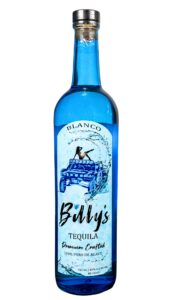

Eco-Friendly Bars & Sustainable Cocktail Culture
How Sustainability Is Reshaping Denver’s Cocktail and Tequila Culture
For years, sustainability in the beverage industry was treated as a niche concern.
Today, it has become one of the most important conversations in spirits, hospitality, and agriculture.
Consumers are asking different questions than they did a decade ago:
- Where were the ingredients sourced?
- How much waste was created?
- Is the spirit produced responsibly?
- Does the business prioritize sustainability beyond marketing?
Nowhere is this shift more visible than in Denver.
The Mile High City has built a reputation for outdoor recreation, environmental awareness, and thoughtful innovation. Those values increasingly extend into its bars, restaurants, and cocktail programs.
For tequila drinkers, this trend is particularly meaningful. Tequila begins in agriculture, relies on natural resources, and depends on the long-term health of agave-growing regions. Sustainability isn’t simply a hospitality trend, it’s essential to the future of the spirit itself.
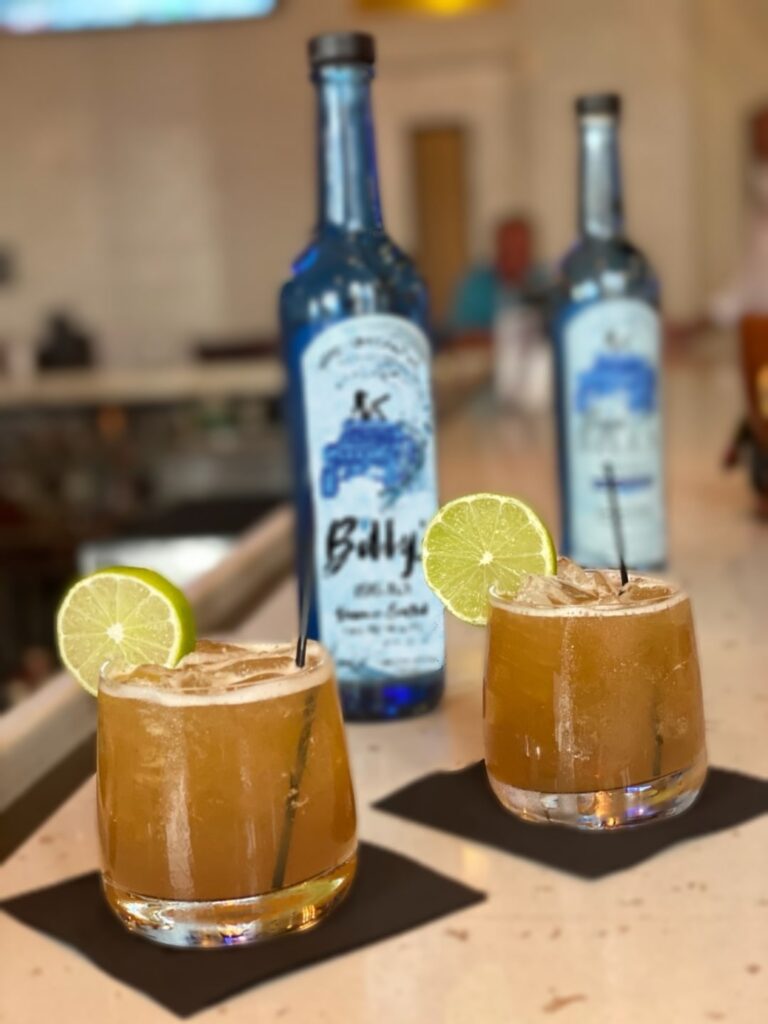
Why Sustainability Matters in Tequila
Every bottle of tequila begins with a plant that requires patience.
Blue Weber agave typically takes between seven and ten years to mature before harvest. Unlike grain crops that can be replanted annually, agave demands long-term stewardship and careful planning.
As global demand for tequila continues to rise, producers face increasing pressure to balance growth with environmental responsibility.
Key sustainability initiatives within tequila production include:
- water conservation
- agave biodiversity
- waste reduction
- renewable energy
- responsible farming practices
- additive-free production methods
Consumers who support sustainable tequila help encourage practices that protect both quality and the future of the category.
Denver's Cocktail Community Is Leading by Example
Many of Denver’s most respected bars have embraced sustainability as part of their broader commitment to craftsmanship.
This doesn’t always mean flashy environmental messaging.
More often, it appears in the details:
- Local sourcing.
- Seasonal ingredients.
- Reduced food waste.
- Thoughtful inventory management.
- Responsible spirits selection.
These decisions collectively create a more sustainable hospitality ecosystem.

Death & Co Denver — Thoughtful Ingredients and Intentional Cocktails
Death & Co has long been recognized for its disciplined approach to cocktail creation.
What often receives less attention is the program’s commitment to minimizing waste and maximizing ingredient utilization. Seasonal menus encourage efficient sourcing while allowing bartenders to work with fresh, high-quality ingredients.
The result is a cocktail experience that feels both elevated and responsible.
Why it stands out:
Sustainability is integrated into the process rather than treated as a marketing feature.

The Family Jones Spirit House — Transparency and Local Production
The Family Jones emphasizes local production, small-batch spirits, and transparency throughout its operations.
While not exclusively focused on tequila, its philosophy aligns closely with the values many modern tequila enthusiasts appreciate: quality ingredients, responsible production, and a commitment to craftsmanship.
Why it stands out:
Local sourcing and production reduce transportation impacts while supporting Colorado’s hospitality community.
Root Down — Sustainability Beyond the Bar
Root Down has built its reputation around environmental consciousness.
The restaurant and bar prioritize local ingredients, responsible sourcing, and a menu designed around seasonal availability. The cocktail program reflects the same principles.
Tequila cocktails often feature fresh herbs, locally sourced produce, and minimal waste techniques.
Why it stands out:
Sustainability influences every aspect of the guest experience.
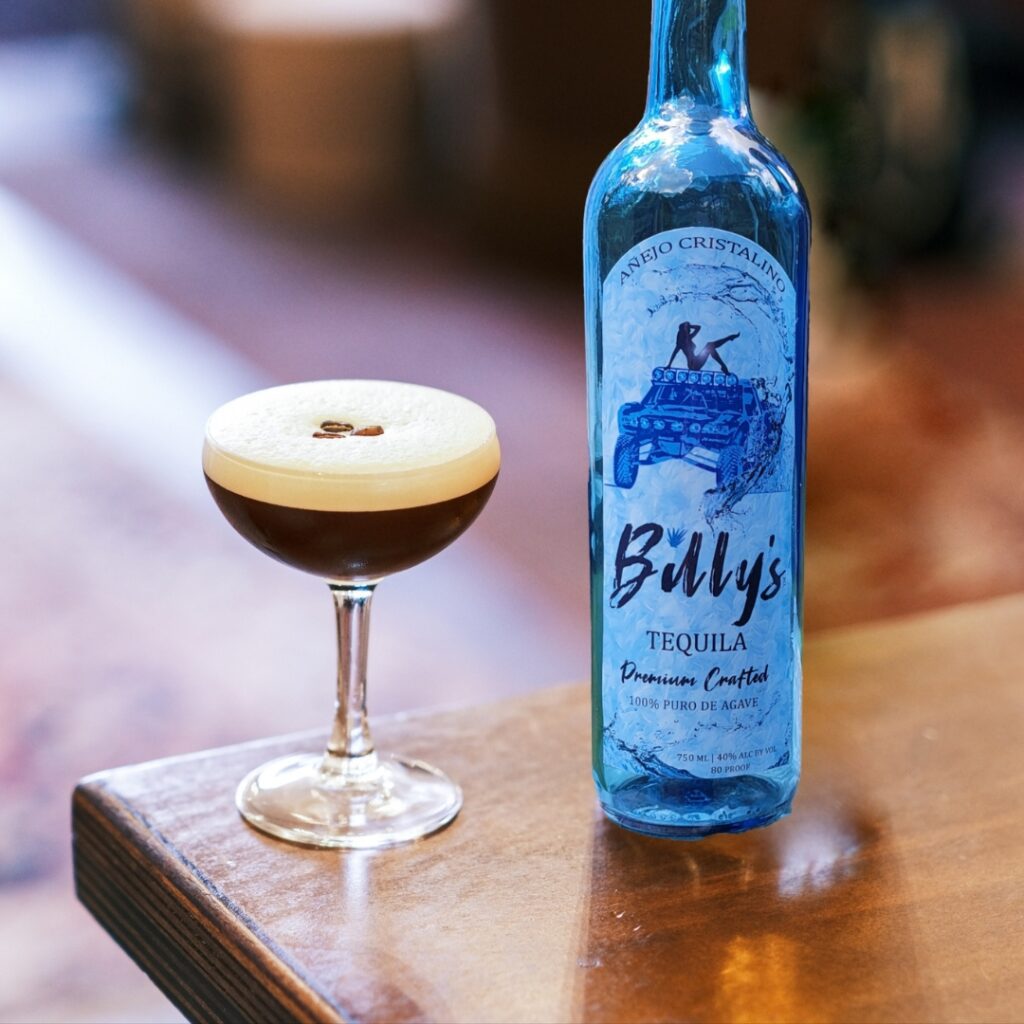
Mercantile Dining & Provision — Farm-to-Table Meets Craft Cocktails
Mercantile’s commitment to sourcing extends naturally into its beverage program.
By working closely with producers and prioritizing quality ingredients, the venue creates cocktails that feel connected to place and season.
This approach mirrors many of the values found in traditional tequila production, where agricultural integrity remains central to quality.
Why it stands out:
A strong connection between agriculture, food, and beverage programs.
Williams & Graham — Craftsmanship and Conscious Consumption
Williams & Graham approaches sustainability from a different angle.
Rather than focusing on trends, the bar emphasizes quality over volume. Thoughtful cocktails, premium spirits, and a slower drinking culture naturally reduce waste and encourage more intentional consumption.
Why it stands out:
A philosophy that values experience over excess.
The Connection Between Additive-Free Tequila and Sustainability
One of the fastest-growing conversations in tequila revolves around additives.
While additives are legally permitted in tequila production, many consumers are increasingly seeking transparency and authenticity.
Additive-free tequila aligns naturally with sustainability because it emphasizes:
- agricultural quality
- fermentation expertise
- traditional production methods
- fewer processing interventions
When producers rely on the agave itself rather than artificial enhancements, the connection between land and spirit remains intact.

What Makes a Bar Truly Sustainable?
A truly sustainable bar goes beyond recycling bins and reusable straws.
The best programs focus on long-term operational choices:
- reducing ingredient waste
- sourcing responsibly
- supporting local producers
- minimizing energy consumption
- educating consumers
- prioritizing quality ingredients
Sustainability becomes part of the culture rather than a promotional message.
How Consumers Can Support Sustainable Drinking
- Small choices make a difference.
- Ask questions about ingredients.
- Support businesses that prioritize transparency.
- Seek out additive-free tequila when possible.
- Choose quality over quantity.
Most importantly, reward producers and hospitality professionals who invest in responsible practices.
Consumer demand has tremendous influence on industry behavior.
FAQ’s
What is sustainable tequila?
Sustainable tequila refers to tequila produced using environmentally responsible farming, production, and resource management practices.
Are eco-friendly bars becoming more common?
Yes. Many modern cocktail programs now prioritize waste reduction, local sourcing, and responsible ingredient management.
Does additive-free tequila support sustainability?
Often, yes. Additive-free production emphasizes agricultural quality and transparency rather than artificial enhancements.
Why is sustainability important for tequila?
Because agave requires years to mature, responsible farming and resource management are essential to the spirit’s long-term future.
Drink With Purpose
Great cocktails don’t begin behind the bar.
They begin in the fields, farms, and production facilities that supply the ingredients.
The most sustainable bars understand this connection. They recognize that quality and responsibility are not competing priorities—they’re complementary ones.
As tequila continues to evolve, sustainability will play an increasingly important role in defining the future of the category.
Support businesses that care about transparency. Choose spirits produced with intention. Appreciate the craftsmanship behind every pour.
Because the future of tequila depends not only on how it’s made but on how we choose to enjoy it.