How Oak Aging Affects Tequila Flavor
Tequila begins in the agave field, but it evolves in the barrel.
While Blanco tequila captures the raw, vibrant essence of blue Weber agave, oak aging introduces a second dimension—one shaped by time, wood, oxygen, and chemistry. Understanding how oak influences tequila is essential for anyone asking questions like:
- What is the difference between Blanco, Reposado, and Añejo tequila?
- Why does aged tequila taste smoother?
- How does barrel aging change tequila flavor?
The answers all lead back to what happens inside the barrel.
How Oak Aging Changes Tequila
Once tequila is distilled, it can either be bottled immediately or placed into oak barrels for aging. During this time, the spirit undergoes several chemical transformations that reshape its flavor, texture, and aroma.
There are three primary processes at work:
1. Extraction: Flavor From the Wood
Oak barrels contain natural compounds such as lignin, hemicellulose, and tannins. As tequila rests, it extracts these compounds from the wood.
This is where familiar flavors come from:
Vanillin – vanilla notes
Caramelized sugars – toffee and sweetness
Tannins – structure and dryness
Spice compounds – clove, cinnamon, nutmeg
The longer tequila ages, the more influence the barrel has on its profile.
2. Oxidation: Smoothing the Spirit
Barrels are not airtight. Small amounts of oxygen enter through the wood over time, slowly reacting with the spirit.
This process:
- softens harsh alcohol edges
- rounds out flavors
- integrates aroma compounds
This is why aged tequila is often described as “smoother”—not because it’s weaker, but because its chemical structure has evolved.
3. Evaporation: Concentration Over Time
During aging, a portion of the liquid evaporates—commonly referred to as the “angel’s share.”
In Jalisco’s warm climate, this process happens relatively quickly, concentrating the remaining liquid and intensifying both flavor and texture.
This is one reason tequila can develop richness in fewer years compared to whiskey.
The Different Types of Aged Tequila
Oak aging defines the primary tequila categories. Each style reflects a different balance between agave character and barrel influence.
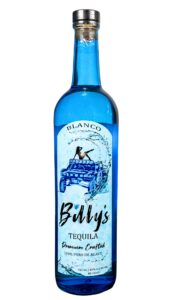
Blanco Tequila (Unaged)
Blanco tequila is either unaged or rested briefly in neutral containers.
- Dominant flavors: cooked agave, citrus, pepper, minerality
- No oak influence
- Bright, clean, and expressive
Blanco is the foundation—it shows the true quality of the agave and production process.
Reposado Tequila (2–12 Months)
Reposado tequila is aged in oak barrels for a minimum of two months and up to one year.
- Balanced agave and oak
- Light vanilla, honey, and spice notes
- Softer mouthfeel than Blanco
Reposado is often considered the most versatile style, ideal for both sipping and cocktails.
Añejo Tequila (1–3 Years)
Añejo tequila spends one to three years in oak barrels, allowing deeper interaction with the wood.
- Richer flavors: caramel, chocolate, dried fruit
- Increased smoothness and complexity
- More pronounced oak influence
At this stage, tequila begins to appeal to whiskey and cognac drinkers.
Extra Añejo Tequila (3+ Years)
Extra Añejo represents extended aging and maximum barrel influence.
- Deep, layered complexity
- Heavy oak, spice, and dessert-like notes
- Long, lingering finish
This style is typically reserved for slow sipping and special occasions.
How Barrel Type Influences Tequila Flavor
Not all barrels are the same. The type of oak and its previous use play a major role in shaping tequila.
American Oak (Most Common)
- Sweeter profile
- Strong vanilla and caramel notes
- Smooth and approachable
French Oak
- More tannic structure
- Subtle spice and dryness
- Greater complexity
Previously Used Barrels
Many tequila producers age their spirits in barrels that previously held bourbon, wine, or other spirits.
These barrels contribute additional layers:
- bourbon barrels – vanilla, toasted sugar
- wine barrels – fruit and acidity
- cognac barrels – richness and depth
Why Aging Doesn’t Always Mean Better Tequila
A common misconception is that older tequila is automatically better. In reality, aging is about balance, not superiority.
Too much time in oak can:
- overpower agave character
- introduce excessive bitterness
- create a profile that feels more like whiskey than tequila
The best aged tequilas maintain a clear connection to agave, even as oak adds depth.
Additive-Free Tequila vs Oak Influence
Another important distinction is between natural oak aging and added flavoring.
By regulation, tequila can contain additives such as:
- caramel coloring
- glycerin
- artificial flavor enhancers
These can mimic the effects of aging without the time investment.
In contrast, additive-free tequila relies entirely on:
- agave quality
- fermentation
- distillation
- barrel interaction
The result is a more transparent and authentic expression of the spirit.
FAQ’s
Why is aged tequila darker in color?
The color comes from compounds extracted from the oak barrel during aging.
Is Reposado or Añejo better?
Neither is better—Reposado offers balance, while Añejo delivers depth.
Does aging remove alcohol strength?
No. It changes perception, making tequila feel smoother.
Can tequila be over-aged?
Yes. Too much oak can mask the natural agave character.
Understand the Barrel, Elevate the Experience
Tequila doesn’t become better simply by aging—it becomes different.
The barrel introduces complexity, texture, and warmth, but the foundation always remains agave. When you understand how oak influences tequila, you begin to taste with intention rather than assumption.
Whether you prefer the brightness of Blanco or the depth of Añejo, the key is balance. Seek tequila that allows both agave and oak to speak clearly.
Because the best tequila isn’t defined by time in a barrel…it’s defined by how well that time was used.