Why the Way Agave Is Cooked May Be the Most Important Step in Making Great Tequila
Long before tequila reaches a barrel or a bottle, its character is determined by one of the most important, and least understood, steps in production: cooking the agave.
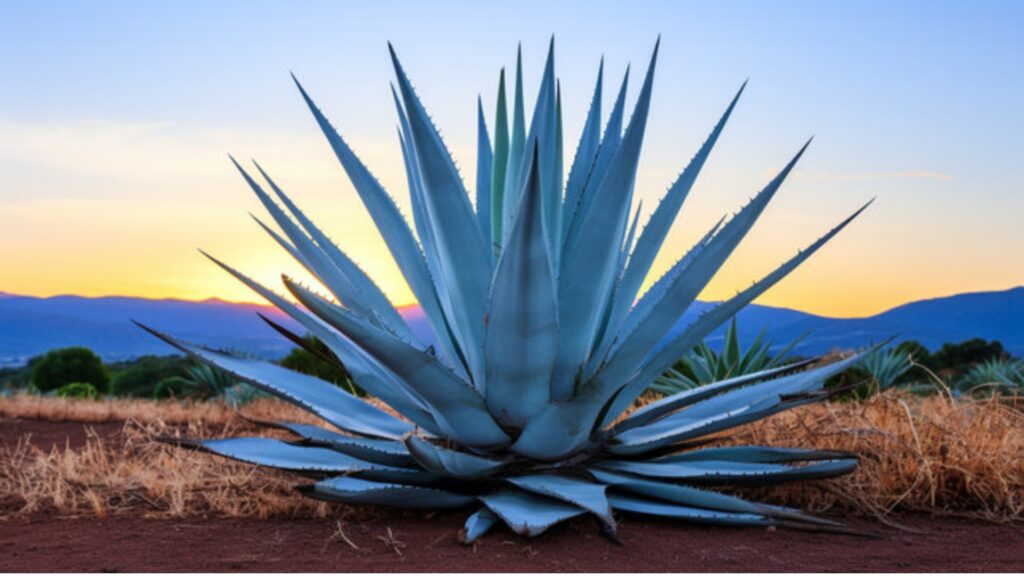
Every tequila begins with mature Blue Weber agave, but raw agave is not naturally sweet. The heart of the plant, known as the piña, is packed with complex carbohydrates called inulin. Before fermentation can begin, those carbohydrates must be transformed into fermentable sugars.
How producers accomplish that transformation has a profound impact on the tequila that ultimately ends up in your glass.
Today, tequila producers generally rely on one of three cooking methods:
- Traditional brick ovens
- Modern autoclaves
- Industrial diffusers
Each approach produces tequila, but each produces a very different spirit.
Understanding these methods helps explain why some tequilas burst with rich roasted agave flavors while others feel lighter, sweeter, or less expressive.
Why Cooking Agave Matters
Unlike grapes or grain, agave cannot simply be crushed and fermented after harvest.
Fresh agave contains inulin, a complex carbohydrate that yeast cannot ferment directly. Cooking slowly breaks those carbohydrates down into fructose and other simple sugars, making fermentation possible.
But cooking does much more than create sugar, it also develops flavor.
Just as roasting coffee beans or baking bread transforms aroma and complexity, cooking agave creates the caramelized, earthy, floral, and fruity characteristics that define premium tequila.
This stage lays the foundation for everything that follows.
The Three Primary Cooking Methods
Although every tequila producer has its own techniques, nearly every distillery relies on one of three approaches.
Each represents a different balance between tradition, efficiency, and flavor.
Traditional Brick Ovens (Hornos)
For centuries, tequila producers cooked agave inside large masonry ovens known as hornos.
These ovens operate much like enormous stone bread ovens.
The harvested piñas are stacked by hand inside the oven, sealed, and exposed to low, consistent steam heat for anywhere from 24 to 72 hours, followed by an extended cooling period.
The process is slow, but intentionally so.
The gradual cooking allows sugars to develop naturally while encouraging complex caramelization throughout the agave.
The result is often tequila with:
- pronounced cooked agave
- honey-like sweetness
- roasted vegetal notes
- soft minerality
- layered complexity
Many of Mexico’s most respected traditional tequila producers continue to rely on brick ovens because they believe patience produces better flavor.
While slower and more expensive, this method preserves much of the agave’s natural character.
Autoclaves: Modern Efficiency with Traditional Principles
Autoclaves became popular as demand for tequila grew around the world.
An autoclave is essentially a large stainless-steel pressure cooker.
By increasing steam pressure, producers can cook agave significantly faster than in traditional brick ovens, often within 8 to 12 hours.
Despite the shorter cooking time, autoclaves still rely on steam rather than aggressive industrial processing. Many highly respected premium tequilas use autoclaves successfully.
When carefully managed, autoclaves can produce tequila with excellent agave expression while improving production efficiency.
Flavor profiles often include:
- bright cooked agave
- citrus
- pepper
- fresh herbs
- light caramel
The key is execution.
A well-operated autoclave preserves remarkable quality, while poorly managed cooking can reduce complexity. For many distilleries, autoclaves represent a thoughtful compromise between tradition and modern production.

Diffusers: Speed Above All Else
Diffusers represent the newest, and most controversial, approach to tequila production.
Rather than slowly cooking whole agave first, diffuser systems extract carbohydrates from raw agave using high-pressure water, mechanical processing, enzymes, acids, and heat.
Instead of roasting the plant to develop flavor naturally, much of the extraction occurs before traditional cooking would normally begin. This dramatically increases efficiency.
A diffuser allows producers to:
- extract more sugar from each agave
- reduce production time
- maximize yield
- lower costs
From a manufacturing perspective, it’s incredibly effective. From a flavor perspective, opinions become much more divided.
Because much less natural caramelization occurs, diffuser-produced tequila often relies on later processing steps—or legally permitted additives—to create richness, sweetness, and texture.
The resulting tequila may taste:
- lighter
- sweeter
- less agave-forward
- more uniform from batch to batch
While not every diffuser-made tequila is low quality, many tequila enthusiasts believe this method sacrifices the natural flavors that make tequila distinctive.
Why Flavor Changes So Dramatically
Cooking isn’t simply about making sugar, it’s about creating hundreds of aromatic compounds through gentle chemical reactions.
During slow cooking, heat encourages caramelization and Maillard reactions that generate flavors reminiscent of:
- baked fruit
- roasted vegetables
- caramel
- honey
- toasted nuts
- earthy spice
Longer, slower cooking allows these compounds to develop gradually.
Rapid processing often produces fewer of these naturally occurring flavor molecules, resulting in tequila that feels cleaner but sometimes less expressive.
Tradition vs. Technology
It’s easy to assume that older methods are always better.The reality is more nuanced.
Technology itself isn’t the problem. Many exceptional tequila producers use modern equipment while remaining deeply committed to quality.
Autoclaves demonstrate this perfectly, the real question isn’t how modern a distillery is, it’s whether production decisions prioritize flavor or production volume.
Great tequila is built around preserving agave—not replacing it.
Why Cooking Method Matters for Additive-Free Tequila
One reason additive-free tequila has gained so much attention is because it depends heavily on excellent raw materials and careful production.
When agave is cooked slowly and thoughtfully, much of its natural sweetness and complexity develops on its own. There is less need to manipulate the finished spirit.
Conversely, highly industrialized production methods may create tequila that benefits from added sweetness, glycerin, or coloring to achieve a desired profile.
This doesn’t necessarily make one bottle “bad”, but it does change how that flavor was created.
For drinkers seeking transparency and authenticity, understanding cooking methods becomes another valuable piece of the puzzle.

How to Tell Which Method Was Used
Unfortunately, tequila labels rarely identify the cooking process.
Instead, curious consumers often rely on:
producer transparency
- distillery tours
- interviews with master distillers
- tequila education resources
- NOM research
As consumer interest continues to grow, more premium producers are openly sharing their production methods as a point of pride.
FAQs
Which cooking method produces the best tequila?
Many tequila enthusiasts favor traditional brick ovens because they maximize roasted agave flavor, but well-managed autoclaves can also produce outstanding tequila.
Are autoclaves bad for tequila?
No. Many respected premium tequilas use autoclaves successfully. Quality depends on how the equipment is used.
Why are diffusers controversial?
Critics argue they prioritize efficiency over flavor and reduce the natural cooked agave character that defines traditional tequila.
Can you taste the difference?
Often, yes. Brick oven tequilas typically display deeper roasted agave notes, while diffuser-produced tequilas may taste lighter or more neutral.
Look Beyond the Label
Every bottle of tequila tells a story long before it reaches your glass.
The cooking method is one of the earliest, and most influential, chapters of that story. Whether agave is slowly roasted in traditional brick ovens, steamed in modern autoclaves, or processed through industrial diffusers, those decisions shape the spirit’s aroma, texture, and flavor long before fermentation or aging begins.
The next time you choose a tequila, look beyond the marketing. Learn about the production methods, ask questions, and seek out producers who are transparent about their craft.
Because exceptional tequila isn’t defined by a single piece of equipment, it’s defined by the care, patience, and respect shown to the agave from the very beginning.