The Science Behind Every Sip
Tequila is far more than a celebratory drink—it is a remarkably intricate product of chemistry, biology, and time. Every bottle represents a precise sequence of reactions that transform a tough desert plant into a spirit layered with aroma, texture, and flavor.
I can tell you this with certainty: great tequila is built molecule by molecule. Understanding the science behind it doesn’t remove the romance, it deepens it.
Let’s explore the chemical processes that give tequila its unmistakable character and reveal why craftsmanship matters at every step.
Fermentation: Where Agave Sugars Become Alcohol
The scientific journey of tequila truly begins with fermentation. Once the agave has been harvested, cooked, and crushed, its sugars are ready for transformation.
At this stage, yeast converts fermentable sugars into alcohol—a process that defines tequila’s foundational character long before it ever reaches a still.
Yeast: Nature’s Microscopic Alchemists
Yeast is a single-celled organism, but its impact on tequila is profound. By consuming the sugars present in agave juice, yeast produces ethanol and carbon dioxide, along with a wide array of secondary compounds.
These byproducts—organic acids, esters, and higher alcohols—shape tequila’s aroma and flavor. Notes of fruit, spice, earth, and floral complexity are not added later; they are born during fermentation.
The quality of tequila is often decided here, long before distillation refines the spirit.
Fermentation Variables That Shape Flavor
Fermentation is not a fixed formula. Small adjustments create meaningful differences in the final tequila.
Temperature influences yeast activity and aromatic development. Time affects how fully sugars are converted and how complex the resulting flavor compounds become. Even the specific yeast strain used can tilt a tequila toward cleaner, brighter notes or deeper, earthier expressions.
These variables explain why tequilas made from similar agave can taste dramatically different—and why experienced producers treat fermentation as both a science and an art.
Distillation: Refining Alcohol Through Heat and Vapor
Once fermentation is complete, distillation takes center stage. This process separates and concentrates alcohol while removing unwanted compounds.
Distillation works by heating the fermented agave liquid until alcohol and volatile compounds vaporize. These vapors are captured and condensed back into liquid form, resulting in a purer and more focused spirit.
The Science Behind Separation
Alcohol vaporizes at a lower temperature than water, allowing distillers to isolate ethanol and desirable flavor compounds while leaving heavier, harsher elements behind. Precision is critical here, poor distillation choices can introduce bitterness or burn that no amount of aging can fix.
Single, Double, or Triple Distillation: Why It Matters
Tequila may be distilled once, twice, or even three times, depending on the desired outcome.
Each distillation pass further purifies the spirit, increasing alcohol concentration and refining flavor. While additional distillation can create smoothness, excessive refinement risks stripping tequila of its agave identity.
The best tequilas strike a balance: clean, expressive, and unmistakably agave-forward.

The Chemistry of Tequila Flavor
Tequila’s signature aroma and taste result from a complex mix of compounds developed during fermentation and distillation, as well as those extracted naturally from agave—and, in aged tequilas, from wood.
Terpenes and Esters: Agave’s Aromatic Signature
Agave contains naturally occurring terpenes and esters that contribute to tequila’s sensory profile.
Terpenes are responsible for herbal, citrus, and floral notes. Esters introduce fruit-driven and sweet aromas. Together, they create the vibrant nose that distinguishes tequila from grain-based spirits.
These compounds are delicate. Skilled production preserves them; shortcuts erase them.
Barrel Chemistry: How Aging Adds Dimension
For tequilas that rest in oak barrels, chemistry continues long after distillation.
As tequila interacts with wood, compounds such as vanillin, tannins, and caramelized sugars migrate into the spirit. Vanillin contributes classic vanilla notes, while oxidation softens alcohol and integrates flavors over time.
Barrel type, char level, climate, and aging duration all influence how these compounds develop. In Jalisco’s warm environment, tequila matures efficiently—making timing and restraint essential.
Why Science Matters to the Glass
The science of tequila explains why some spirits feel vibrant and alive while others feel flat or artificially smooth. It reveals why additive-free tequila tastes different—not because something is missing, but because nothing is hiding.
Understanding tequila chemistry allows drinkers to appreciate balance, recognize craftsmanship, and choose quality with confidence.
Frequently Asked Questions
Is tequila chemistry different from other spirits?
Yes. Agave sugars and fermentation chemistry make tequila distinct from grain- or grape-based spirits.
Does fermentation influence flavor more than aging?
Often, yes. Fermentation creates the core aromatic compounds that aging can only refine.
Why does tequila taste sweeter without added sugar?
Natural esters and agave-derived compounds create perceived sweetness without actual sugar.
Does more distillation mean better tequila?
Not necessarily. Too much distillation can remove agave character along with impurities.
Tequila is chemistry you can taste.
When you understand how agave sugars transform, how yeast shapes aroma, and how distillation refines alcohol, every sip becomes more meaningful. You begin to recognize balance, integrity, and authenticity—not by marketing claims, but by flavor.
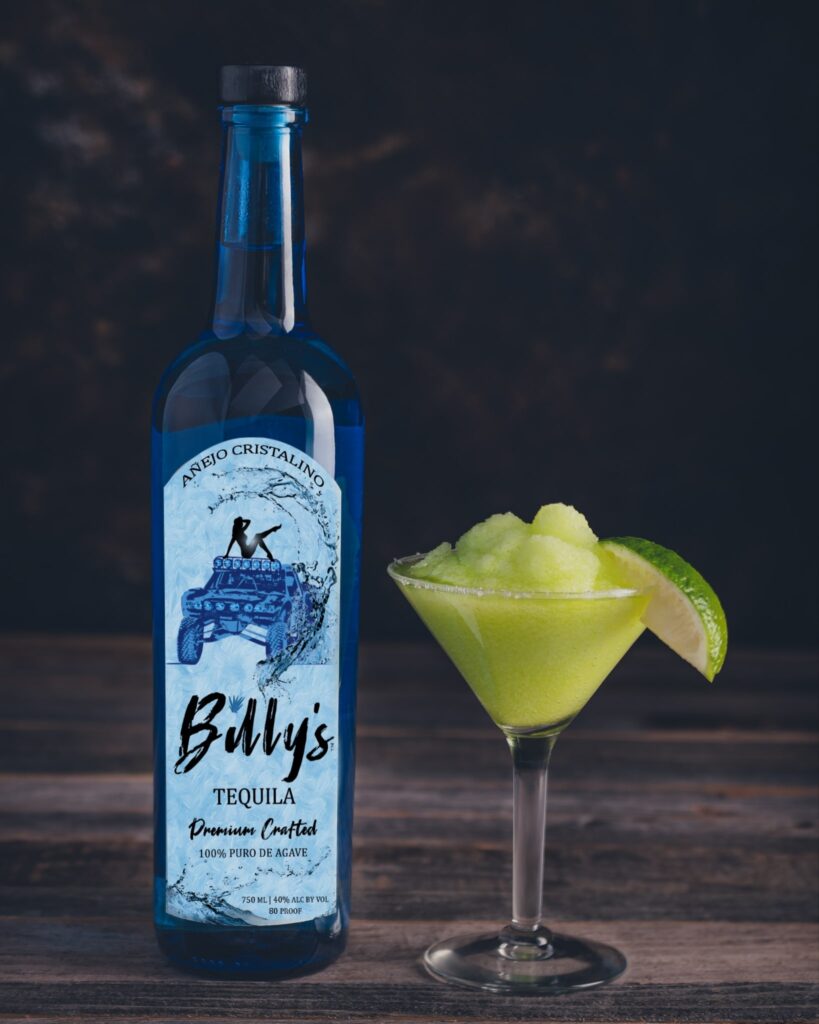
Billy’s Tequila embraces this science with intention. Our additive-free Blanco and Añejo expressions allow agave chemistry, not shortcuts, to define the experience.
So raise a glass to the science, the craft, and the passion that make tequila extraordinary. Because the best tequila isn’t just made—it’s understood.