Flavor, Aging & When to Drink Each
Tequila is one of the few spirits where you can taste both the raw energy of the plant and the quiet wisdom of time; often from the same distillery. Nowhere is that contrast clearer than in Blanco vs Añejo tequila. One is bright, direct, and unapologetically agave. The other is mellow, layered, and shaped by years of patient aging in oak.
If you’ve ever stared at a back bar or liquor store shelf wondering which style you should reach for, you’re not alone. Both Blanco and Añejo are “real tequila.” They’re just very different answers to the same question: What can blue Weber agave become in the right hands?
I like to think of Blanco and Añejo as two sides of the same coin: one shows you the plant, the other shows you the passage of time. Understanding that difference is the key to choosing the right tequila for your taste, your cocktails, and your occasions.
Aging and Production: What Really Separates Blanco from Añejo
All authentic tequila begins the same way. Mature blue Weber agaves are harvested, their hearts (piñas) are cooked to convert starches into fermentable sugars, and the juice is fermented and distilled. The fork in the road comes after distillation, in the way the spirit is aged and handled.
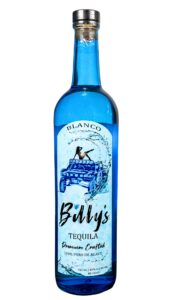
Blanco tequila (also called silver or plata) is essentially tequila in its purest, youngest form. After distillation, it’s either bottled immediately or rested for a short period, up to two months, in stainless steel or neutral vessels. That resting allows the spirit to settle, but it doesn’t add any significant oak character. The goal is simple: present the agave as clearly as possible.
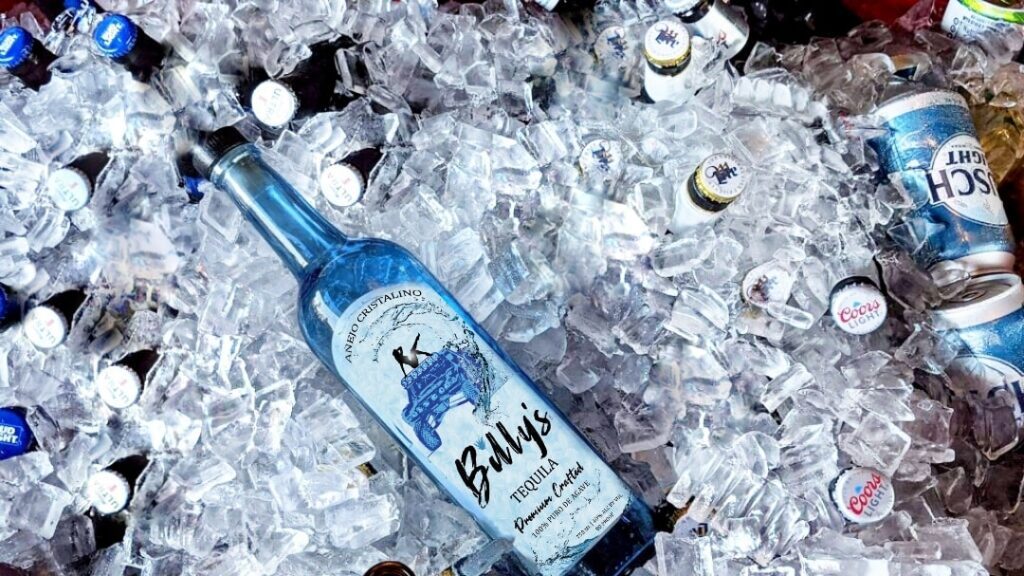
Añejo tequila, by contrast, is tequila with a long relationship to oak. By regulation, it must spend at least one year—and up to three years—in small oak barrels, often ex-bourbon casks or other used barrels that once held whiskey, cognac, or wine. Over time, slow interaction between spirit, wood, and oxygen transforms its personality: what started as bright, green, and peppery becomes deeper, smoother, and far more complex.
So when you compare Blanco vs Añejo, you’re really comparing agave vs agave plus time and oak.
Blanco Tequila: The Pure Voice of Agave
If you want to understand a distillery’s soul, start with its Blanco.
Because Blanco tequila sees little to no oak, it’s the most transparent expression of the raw materials and the production method. In a good Blanco, you should taste cooked agave first and foremost—sweet, slightly earthy, often with hints of citrus and fresh herbs. Many Blancos carry floral or fruity notes, along with that signature peppery, grassy edge that makes tequila instantly recognizable.
The texture tends to be lighter and more energetic. On the palate, a well-made Blanco feels crisp and direct, with a clean finish that can lean mineral, saline, or spicy depending on whether the agave comes from the Highlands, the Lowlands, or a blend of regions.
Blanco is also where you’re most likely to notice differences in production choices: traditional brick-oven cooking vs. industrial diffusers, open-air fermentation vs. closed tanks, copper pot stills vs. larger column systems. With no oak to hide behind, these decisions show up plainly in the glass.
It’s why so many professionals use Blanco to judge a brand’s integrity. If the Blanco is balanced, expressive, and free from artificial sweetness or perfume-like aromas, it’s a strong sign the producer respects the agave.
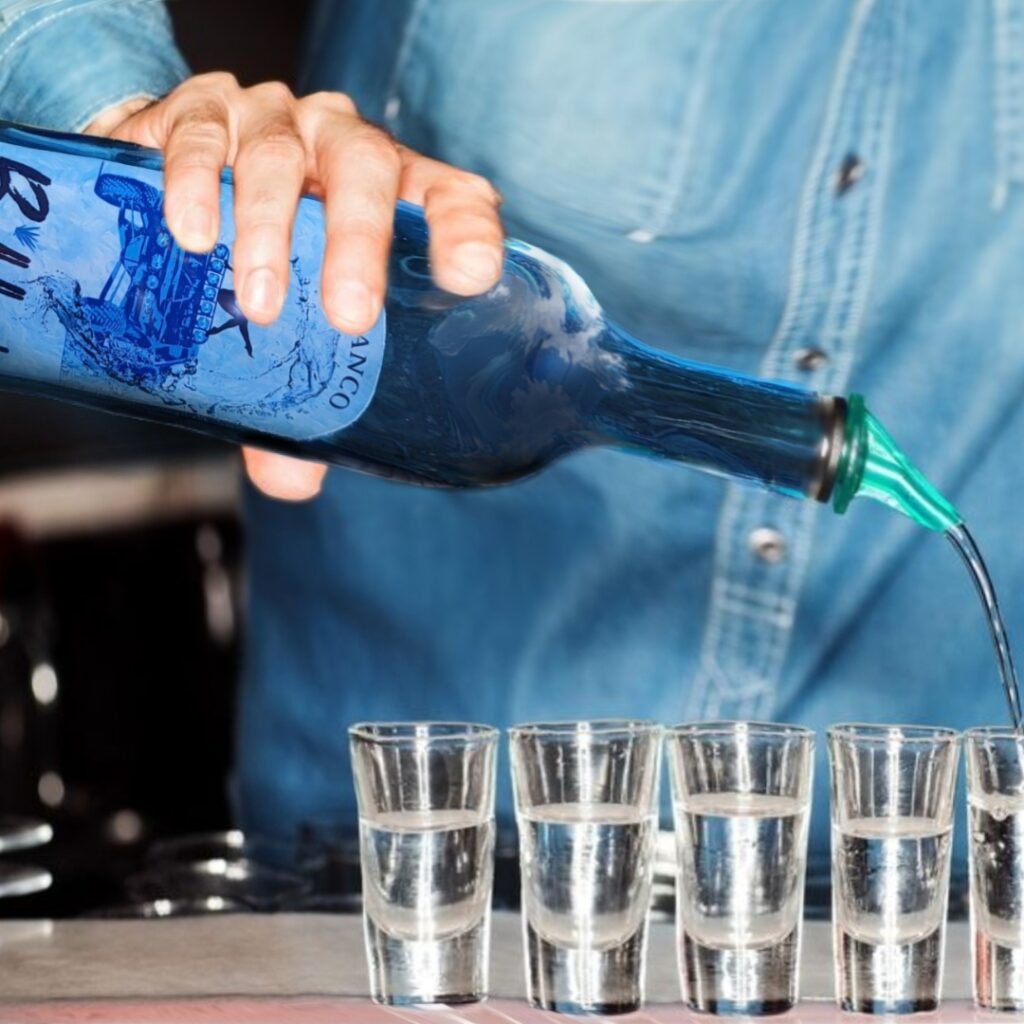
In practical terms, Blanco tequila is incredibly versatile. It shines neat, especially in additive-free expressions, but it also makes a phenomenal base for classic cocktails—Margaritas, Palomas, Ranch Waters—because it carries enough character to stand up to fresh citrus and salt without becoming heavy.
Añejo Tequila: Time, Oak, and a Different Kind of Luxury
Where Blanco shows you the agave, Añejo tequila shows you what happens when agave spends years in conversation with oak.
After at least twelve months in barrel—often closer to two or three years—the spirit emerges darker, smoother, and much more layered. The fresh, green edges soften as notes of caramel, vanilla, baking spice, toasted nuts, and dried fruit rise to the surface. The agave is still there, but it’s now wrapped in the language of wood.
The texture also changes. Añejo tends to feel richer and more velvety on the tongue, with a longer, slower finish. That’s partly from the wood itself and partly from oxidation and evaporation over time. The result is a tequila that behaves more like a fine aged rum, a bourbon, or a well-made single malt than the Blanco you might pour into a Margarita.
This is why Añejo tequila is often best enjoyed neat or over a large ice cube, in the same way you’d savor a good whiskey. It also works beautifully in cocktails that traditionally call for aged spirits—think tequila Old Fashioneds, spirit-forward Manhattans, or riffs on stirred, brown, and boozy classics.
The key idea is this: where Blanco is about clarity and freshness, Añejo is about depth and contemplation. One invites you to pay attention to the plant. The other invites you to pay attention to time.
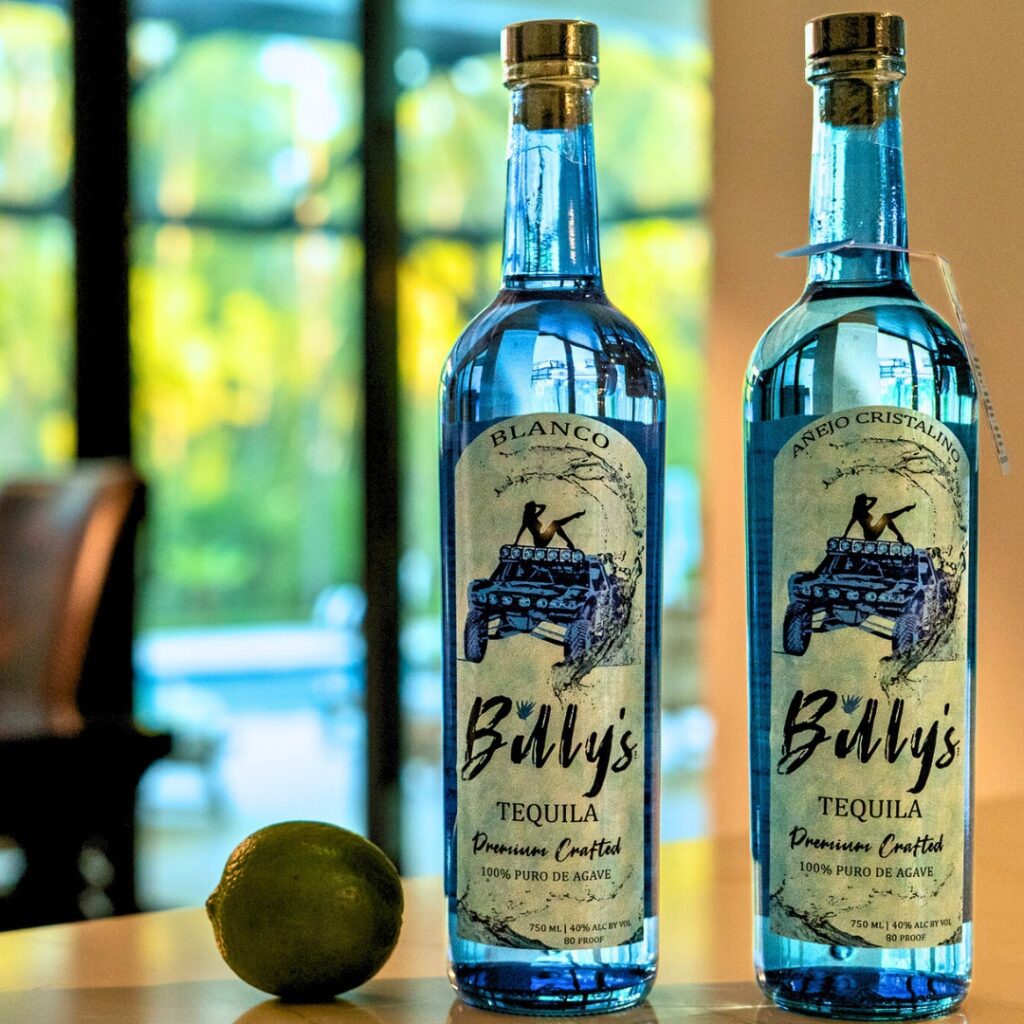
Comparing Flavor Profiles: Fresh vs Caramelized, Bright vs Deep
Tasting Blanco and Añejo side by side is one of the most effective ways to train your palate and understand what aging really does to a spirit.
With Blanco, expect aromas of cooked agave, lime zest, white pepper, fresh grass, and sometimes hints of tropical fruit or flowers. The palate feels brisk and energetic. The flavors arrive quickly and leave a clean, often slightly peppery finish.
With Añejo, the nose shifts toward caramelized sugar, vanilla, cinnamon, clove, roasted nuts, cocoa, and sometimes tobacco or leather. The agave sweetness is still present, but it’s surrounded by oak-driven complexity. The finish tends to linger, leaving a warm, gently sweet impression.
Both can be extraordinary; they simply live in different parts of the flavor spectrum.
How to Choose
So which one should you pour? The answer depends less on “which is better” and more on what you’re doing and how you like to drink.
If you’re mixing cocktails with fresh lime, grapefruit, or soda, Blanco tequila is often the better choice. Its brightness and crispness keep drinks refreshing and focused. A well-made Margarita or Paloma built on a clean, additive-free Blanco is one of the most honest ways to enjoy tequila.
If you’re settling in for a slow evening, especially after dinner, Añejo comes into its own. It’s the style you swirl in the glass, sip slowly, and pair with conversation—or with a small plate of dark chocolate, aged cheese, or even a fine cigar.
Blanco also makes sense when you want to evaluate a brand’s production quality: it tells you if the agave is ripe and well-treated. Añejo makes sense when you want to explore the distillery’s barrel program and see how they manage balance between wood and plant.
Many drinkers eventually find they enjoy both. Blanco for daytime, high-energy, and citrus-driven cocktails. Añejo for evenings, quieter spaces, and more reflective moments.
Cocktails: Where Blanco Shines and Where Añejo Belongs

In the cocktail world, Blanco and Añejo play very different roles.
Blanco is the workhorse of classic tequila cocktails. It’s the ideal base for Tommy’s Margaritas, Palomas, Ranch Waters, and spicy riffs with fresh jalapeño or serrano. Its clean profile cuts through sweetness, citrus, and salt, keeping drinks lifted and bright rather than heavy.
Añejo, on the other hand, behaves more like a whiskey substitute. It’s exceptional in:
- Tequila Old Fashioneds, built with agave syrup and bitters
- Tequila Manhattans or Mexican Boulevardiers
- Stirred, spirit-forward drinks where you want nuance and richness
You can, of course, break the rules—an Añejo Margarita can be gorgeous if you dial back the citrus and sugar—but understanding the strengths of each style gives you more control over the final result.
For many bartenders and home hosts, the sweet spot is having both on hand: a Blanco for shaken citrus drinks and an Añejo (or Añejo Cristalino) for slow, stirred sips.
Tasting Them Side by Side
If you really want to feel the Blanco vs Añejo difference, set up a simple side-by-side tasting. Pour a small sample of each into identical glasses. Start with the Blanco: nose it gently, take a small sip, and pay attention to the agave, the brightness, and the finish.
Then move to the Añejo. Notice how the color deepens, how the nose shifts toward caramel and spice, and how the texture becomes smoother and more coating. Move back and forth a few times. The contrast will become more obvious with every sip.
This kind of tasting not only teaches you about aging—it also helps you decide what you personally like, which is the only opinion that really matters when you’re buying your next bottle.
Read: “The Tequila Experience”
Read: “The Tequila Experience”
Embracing the Full Spectrum of Tequila
In the end, the question isn’t Blanco vs Añejo: which is better? It’s Blanco vs Añejo: which expression fits this moment, this mood, this glass?
Both styles showcase the versatility and craftsmanship of tequila in different ways. Blanco highlights the raw beauty of blue agave. Añejo highlights the dialogue between agave and oak. Together, they trace a complete arc—from field to barrel to glass—through Mexico’s rich cultural and culinary heritage.
You don’t have to choose a side. The real pleasure lies in understanding both, and reaching for the one that makes sense right now.
FAQs (Expert Answers)
- Is Blanco or Añejo better for sipping? Both are great for sipping—Blanco is brighter and more agave-forward, while Añejo is smoother and richer from time in oak.
- Which is stronger: Blanco or Añejo? They’re usually the same ABV; Añejo just feels softer because aging rounds off some of the alcohol’s sharpness.
- Is Blanco or Añejo better for Margaritas? Blanco is the classic choice for Margaritas; use Añejo when you want a richer, more luxurious twist.
- Does Añejo tequila have more additives than Blanco? Not necessarily, but additives are often used more in aged styles to boost color and sweetness—look for additive-free brands in both.
- How do I know if a tequila is good quality? Check for “100% agave,” verify the NOM, and trust your senses: it should smell and taste like real cooked agave, not frosting or candy.