A Journey Into Mexico’s Signature Spirit
Tequila isn’t just another spirit on the backbar. It’s a living expression of Mexican soil, history, and craftsmanship—wrapped up in a glass that the world has only recently learned to take seriously.
Behind every bottle is a story that begins in volcanic soil, passes through centuries of tradition, and now influences bar programs around the world.
Here are 10 expert-level tequila facts that will change the way you look at Mexico’s most iconic spirit—and help you appreciate every sip on a deeper level.
Tequila Begins With a Single Plant: Blue Weber Agave
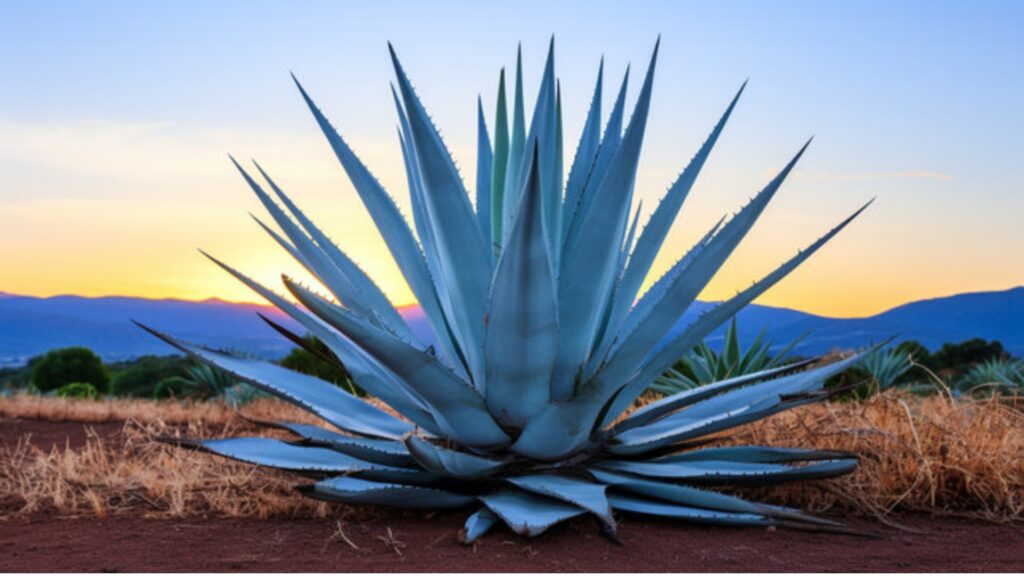
Every drop of true tequila starts with Agave tequilana Weber var. azul—commonly known as blue Weber agave. Unlike grains used for whiskey or sugarcane for rum, agave is a succulent that demands time and patience.
Blue agave typically takes 8–12 years to reach full maturity. During that time, it concentrates starches and inulin in its heart (the piña). Only when the plant has stored enough energy does it become truly suitable for tequila. Harvesting too early may boost production volume, but it robs the final spirit of depth, sweetness, and character.
This long growth cycle is one reason tequila is so closely tied to its land and farmers: every decision in the field takes years to reveal itself in the bottle.
Tequila Is Protected by an Appellation of Origin
Just as Champagne must come from Champagne, tequila can only be legally produced in specific regions of Mexico.
The Denomination of Origin (DO) for tequila covers:
- Most of the state of Jalisco (home to the town of Tequila itself)
- Designated municipalities in Guanajuato, Michoacán, Nayarit, and Tamaulipas
If it’s not distilled in one of these areas and certified by the Consejo Regulador del Tequila (CRT), it isn’t tequila—no matter what the label tries to suggest. This geographic protection preserves authenticity and ensures that “tequila” refers to a specific, regulated tradition tied to Mexico’s agave landscape.
Tequila’s Roots Go Back to Agave Fermentation and the Spanish Conquest
Long before the first tequila still was fired up, Indigenous communities were fermenting agave into a milky, low-alcohol drink called pulque. When Spanish conquistadors arrived in the 16th century, they brought distillation techniques with them.
That collision—Indigenous agave fermentation and imported European stills—eventually gave birth to tequila. By the 1600s, the first formal distilleries began appearing in Jalisco, marking the beginning of large-scale, regulated production. The industry we know today sits on top of hundreds of years of cultural exchange, adaptation, and refinement.
Making Tequila Is a Multi-Step Craft, Not a Single Technique
- Harvesting – Skilled workers known as jimadores cut away the agave’s spiky leaves using a flat-bladed tool called a coa, revealing the piña.
- Cooking – Traditionally, piñas are slow-cooked in brick or stone ovens for 24–48 hours to convert starches into fermentable sugars.
- Crushing & Extraction – The cooked agave is shredded or stone-crushed, and the sweet juice (mosto) is collected.
- Fermentation – Yeast transforms sugars into alcohol; this step builds many of tequila’s core flavors and aromas.
- Distillation – Typically twice distilled to concentrate alcohol and refine the spirit, often in copper or stainless-steel stills.
Tequila Is Defined by Its Aging: Blanco, Reposado, Añejo & Extra Añejo
One of the most fascinating facts about tequila is how time in oak transforms the same base spirit into distinct styles:
- Blanco (Silver/Plata) – Unaged or rested less than 2 months. Clear, direct, and intensely agave-forward.
- Reposado – Aged 2–12 months in oak. Gains a golden hue, rounder texture, and flavors of vanilla and soft spice.
- Añejo – Aged 1–3 years, usually in small barrels. Richer, darker, and more complex, with caramel, dried fruit, and cocoa notes.
- Extra Añejo – A relatively new category (recognized in 2006), aged at least 3 years. Deep color, luxurious mouthfeel, and complexity comparable to fine cognac or old rum.
All four begin as the same distilled spirit; aging is what pulls them into different personalities.
The Famous “Worm” Isn’t Tequila at All
One of the most persistent myths in agave spirits is the worm in the bottle.
That “worm” is actually the larva of the Hypopta agavis moth, a pest that can infest agave plants. Some mezcal producers (not tequila makers) began adding the larvae to bottles as a marketing gimmick—part novelty, part dare, part tourist trap.
Here’s the key fact:
Authentic tequila never contains a worm.
If you see one floating in the bottle, you’re not drinking tequila. You’re drinking mezcal—or something dressing up as mezcal for attention.

Tequila Can Fit Into a Health-Conscious Lifestyle—If You Respect It
- It’s generally lower in calories and carbohydrates than many sugary mixed drinks or liqueurs.
- The natural agave sugars—particularly agavins—have been studied for potential prebiotic effects, meaning they may support beneficial gut bacteria before distillation converts them to alcohol.
The Right Way to Enjoy Tequila: Sip, Don’t Shoot
Around the world, tequila is still too often reduced to salt-lime-shot rituals. In Mexico, particularly in traditional settings, that’s not how it’s meant to be enjoyed.
High-quality tequila is designed to be sipped, ideally neat or with a small splash of water, in a proper glass. When you take your time—nose first, small sip second—you can actually appreciate the cooked agave, citrus, spice, vanilla, or mineral notes that define each expression.
Pairing tequila with food takes the experience even further. Blanco with ceviche, Reposado with grilled meats, Añejo with dark chocolate or aged cheese—these combinations reveal how versatile tequila can be at the table, not just at the bar.
Tequila Has Its Own Tasting Ritual—And Glasses That Matter
- Swirl – Gently swirl the glass to release aromas.
- Sniff – Take short, soft inhalations; avoid jamming your nose into the glass.
- Sip – Let a small amount coat your palate and observe how flavors evolve.
Glassware matters too. Narrow, tulip-shaped glasses (like a Riedel tequila glass or Glencairn) concentrate aromas and direct them toward your nose, making it easier to identify subtle notes. Tall shot glasses, by contrast, are built for volume, not nuance.
Tequila Is Both a National Treasure and a Global Star
In Mexico, tequila is more than a drink; it’s a national symbol and cultural touchstone. Its production is tightly regulated to protect quality and authenticity, and it plays a central role in celebrations, rituals, and everyday gatherings.
In 2006, UNESCO recognized this significance by designating the Agave Landscape and Ancient Industrial Facilities of Tequila as a World Heritage Site—a formal acknowledgment that tequila’s story is intertwined with Mexico’s history and identity.
At the same time, tequila has become a global powerhouse. Exports have surged, especially to the United States, and agave spirits now anchor cocktail menus from New York to Tokyo. Tequila’s mix of tradition, versatility, and distinct flavor has permanently altered the landscape of modern mixology.

FAQs (Expert Answers)
- Is tequila made from cactus? No. Tequila is made from blue Weber agave, a succulent—not a cactus.
- Can tequila be made outside of Mexico? You can distill agave spirits elsewhere, but you can’t legally call them “tequila” unless they’re produced in Mexico’s Denomination of Origin regions.
- Does real tequila ever have a worm? No. The worm is associated with some mezcals as a gimmick, not with authentic tequila.
- Is tequila always strong and harsh? Not when it’s well made. Quality tequila can be smooth, aromatic, and balanced—meant for sipping, not slamming.
- What’s the easiest tequila style for beginners? A good Reposado is often a friendly entry point—softened by oak but still clearly agave-driven.